
Last updated November 18, 2026
Attic Insulation Warning Signs Every Homeowner Should Know
If the upstairs ceiling reads more than 5°F hotter than the downstairs ceiling on an afternoon when the HVAC has been running for two hours, something in the thermal boundary has failed. That’s a measurable threshold, not a vague complaint about a “hot house.” Most homeowners never run that test. They wait for the utility bill to tell them something is wrong, and by the time a bill climbs, they’ve already paid for months of degraded performance. This guide gives you the specific numbers and observable conditions to check first, written from what we’ve found in North Las Vegas attics. You’ll learn four hard measurements, why pest activity is a leading indicator, and which single number is the definitive test.
Quick Answer
The warning signs of failing attic insulation are a floor-to-floor ceiling temperature difference above 5°F, attic insulation depth below 10 inches of blown fiberglass, visible daylight through attic bypasses, and HVAC runtime exceeding 60% of a summer hour at set point. Pest tunneling, a rising spring electric bill, and yellowed, brittle fiberglass batts are supporting signs. The definitive test is a blower-door reading; anything above 7 ACH50 means the envelope is leaking badly enough that insulation alone won’t fix it.
Table of Contents
- Four Measurable Warning Signs You Can Check This Week
- The 5°F Ceiling Differential: How to Measure It
- Insulation Depth Below 10 Inches and the R-30 Threshold
- Visible Daylight and Attic Bypasses
- Why Pest Activity Is a Leading Indicator, Not Cosmetic
- The Spring Electric Bill: Separating Degradation from Rate Increases
- What Mojave Heat Does to Old Fiberglass Batts
- The Blower-Door Number Above 7 ACH50
- Common Mistakes to Avoid
- When to Call a Professional
- Frequently Asked Questions
Four Measurable Warning Signs You Can Check This Week
Insulation failure has a pattern, and that pattern shows up in numbers before it shows up on a bill. In our work across North Las Vegas, these four measurements catch the problem while there’s still time to plan the repair instead of reacting to it.
- Floor-to-floor ceiling differential above 5°F. An infrared thermometer on the upstairs and downstairs ceiling, read after two hours of HVAC runtime, exposes a failing thermal boundary.
- Blown fiberglass depth below 10 inches. Ten inches is roughly the R-30 line for blown fiberglass. A tape measure pushed into the attic floor settles the question in under a minute.
- Visible daylight from attic bypasses. Light coming through gaps around wiring penetrations, top plates, and can lights means air is moving through those gaps year-round.
- HVAC runtime above 60% of a summer hour. If the system runs more than 36 minutes in a 60-minute window while holding set point, the attic is likely shedding more heat than the equipment can overcome.
Each of these is a number, not an opinion. When two or more cross the threshold together, the case for attic insulation in North Las Vegas being degraded is strong enough to act on. We keep a thermometer and a tape measure in the truck for exactly this reason, because a visual “looks fine” inspection misses all four.
The 5°F Ceiling Differential: How to Measure It
The 5°F threshold is the test most homeowners can run in a single afternoon with no tools beyond a basic infrared thermometer, which runs about $25 at any hardware store. Here’s the sequence that produces a clean reading.
- Pick the hottest part of the afternoon, ideally a clear day above 100°F. North Las Vegas delivers those reliably from May through September.
- Let the HVAC run for a full two hours at the temperature you normally set. This stabilizes the readings.
- Shoot the upstairs ceiling in the middle of a room, avoiding any spot within a foot of a wall, vent, or light fixture.
- Shoot the downstairs ceiling the same way, in a room under the same roof line.
- Subtract the lower number from the higher. A difference of 5°F or more means the thermal boundary between the attic and the living space has failed.
A gap under 5°F suggests the insulation is still doing its job, at least in that zone. But heat moves unevenly. If one upstairs room reads hot and the next reads normal, the problem is likely localized to a bypass or a low spot in the insulation rather than the whole attic floor. That’s where a documented photo record helps, because it shows you exactly which zone failed and why.
We’ve found the differential test especially useful in North Las Vegas homes built between 1995 and 2010, where original fiberglass has had two decades of Mojave heat cycling through it. The zone-by-zone reading tells you where the failure started.
Insulation Depth Below 10 Inches and the R-30 Threshold
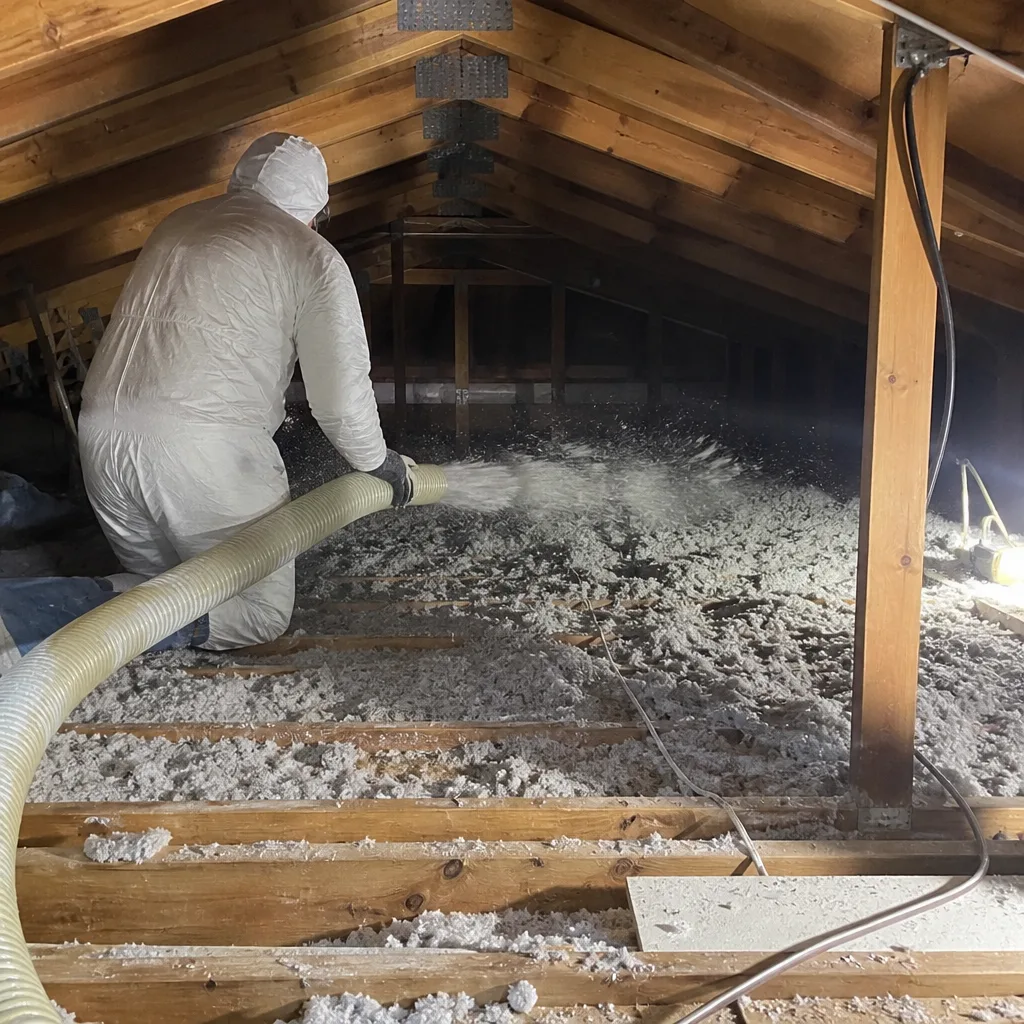
Insulation depth is the fastest check on the list. Ten inches of blown fiberglass gets you to roughly R-30. That’s a working baseline for a Clark County attic, and if the tape measure reads less, performance is degraded before you’ve done anything else.
Here’s what to do when you open the attic hatch, safely and without stepping off the joists:
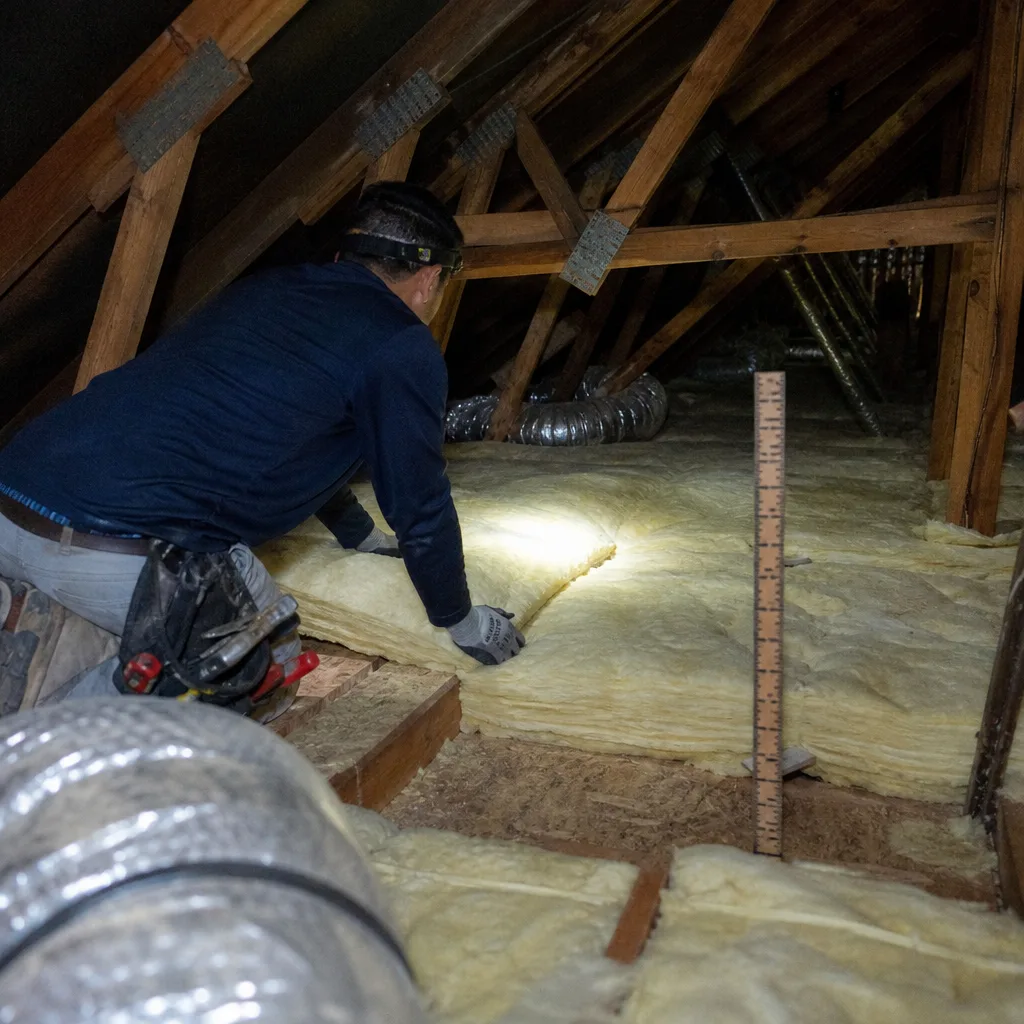
- Take a tape measure or a straight yardstick and note a 10-inch mark in tape or marker.
- Stand on the joists or a stable board, never on the drywall ceiling below.
- Push the tape down through the insulation until it contacts the ceiling drywall, then read the depth.
- Measure in three spots: near the hatch, mid-attic, and against an outer wall. Variation matters.
If two of the three readings come in under 10 inches, the insulation has either compressed or was never installed to the depth it should’ve been. Compressed fiberglass is common in North Las Vegas homes where batts were installed and then walked over, or where blown material has settled after a couple of decades under the attic heat. Blown-in material loses depth over time as the fibers pack down, and pest tunnels make it worse.
Settling is why a “we just added insulation” job from 15 years ago can still show a low reading today. Depth is a living number, not a one-time install spec. Rechecking it every few years tells you more than any single inspection did.
Visible Daylight and Attic Bypasses
Stand in the attic with the lights off and the sun up. If daylight is coming through the ceiling plane, you’re looking at an air bypass: a gap in the envelope where air moves freely between the attic and your conditioned space. It’s the single most ignored sign we encounter, and it makes insulation look worse than it is.
Common bypass locations in North Las Vegas homes include these:
- Top plates, where the wall framing meets the ceiling framing, especially at interior partition walls.
- Recessed can lights, where an unsealed fixture leaves a direct path for air.
- Plumbing and wiring penetrations through the ceiling drywall.
- The attic hatch or access door, if the frame is unfastened and cold air slides past it.
- HVAC chase penetrations, where ductwork runs up through the attic floor.
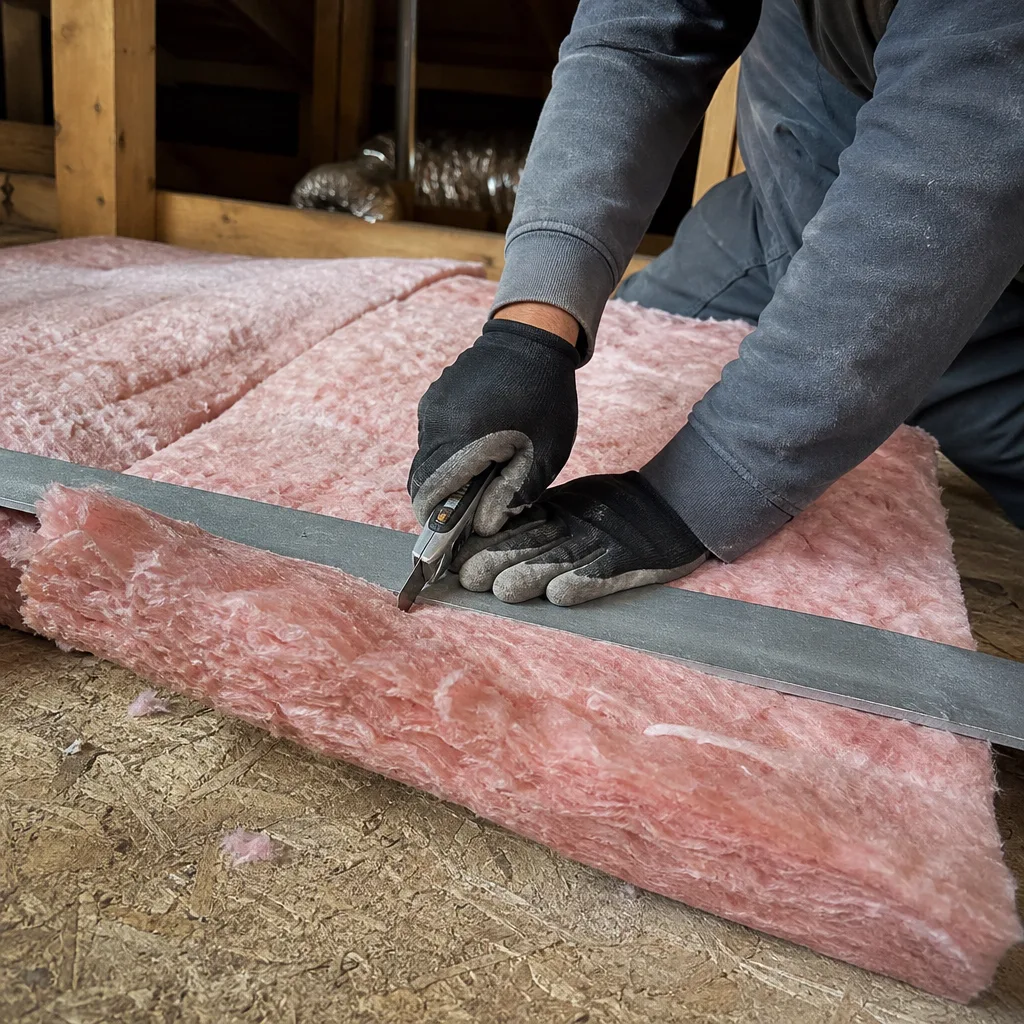
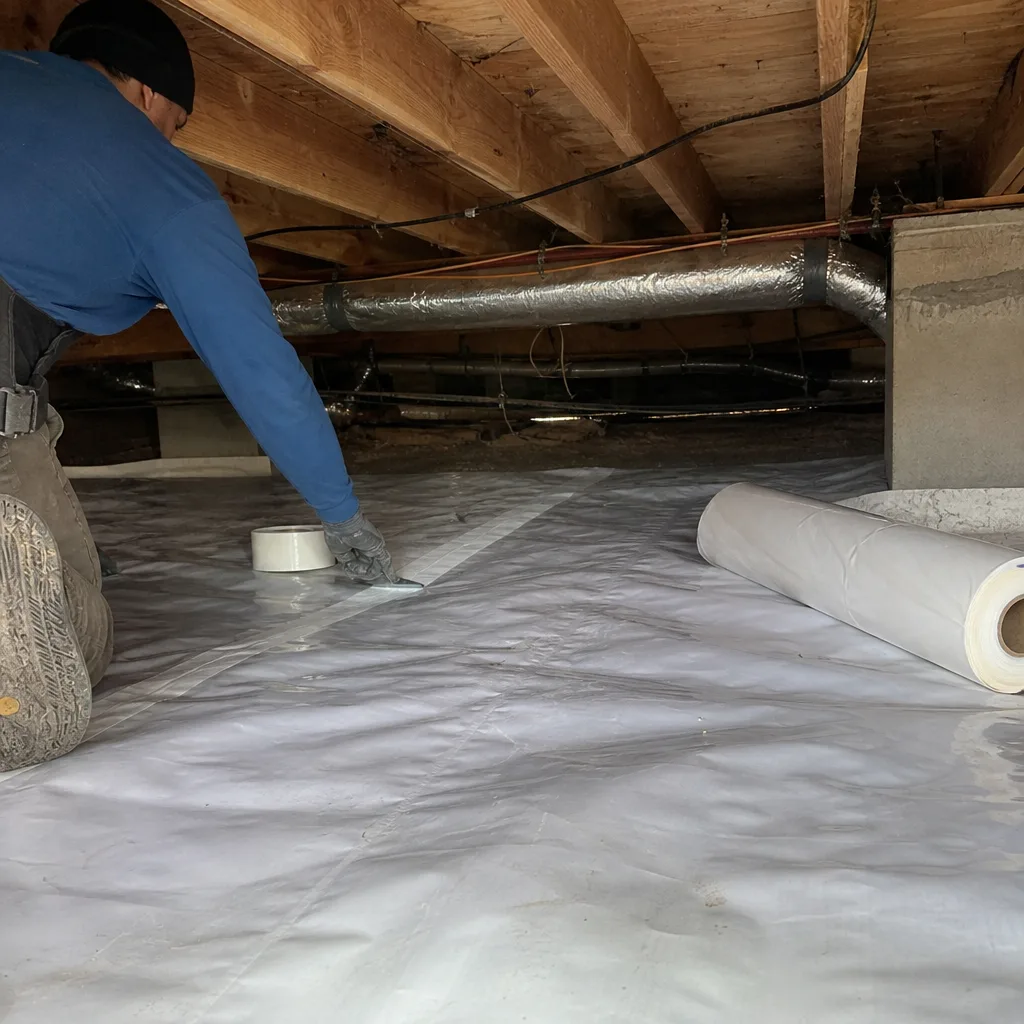
Air sealing comes before insulation, and this is where Envelope Insulation differs from most. We won’t blow insulation over an unsealed attic floor, because insulation slows conductive heat but doesn’t stop air movement. Blowing over a bypass is like putting a blanket over an open window. On jobs across the region, including out toward crawl space encapsulation and vapor barrier work, we complete the sealing first, then the insulation, in that order, every time.
Daylight is only the visible part of the story. A bypass with no daylight still leaks air. That’s why the final number, not the visual check, is the one that counts.
Why Pest Activity Is a Leading Indicator, Not Cosmetic
Rodent activity in an attic is not a cosmetic problem you clean up and forget. It’s one of the clearest indicators that the insulation has already been compromised, often before any bill moves. Roof rats are common in Clark County, and their activity leaves a fingerprint on the thermal boundary.
Here’s what we find when we look closely at a compromised attic floor:
- Runways and tunnels through the blown material, where rats have pushed paths through the fiberglass.
- Nesting pockets, which compress insulation in a concentrated spot and create a thermal bridge where heat moves through freely.
- Soiled and flattened batts, which lose loft and R-value once fibers are crushed.
- Chewed vapor barriers and fabric facings, which open the material to moisture.
The thermal bridge is the part that shows up on a thermometer. A compressed patch of fiberglass reads differently from undisturbed material, which is why an IR scan can point to nesting before a visual inspection finds it. North Las Vegas homes near open desert edges and newer subdivisions backing onto undeveloped land see this more often than established neighborhoods, simply because the rodent pressure is closer.
Our attic cleaning and rodent proofing service pairs with insulation removal and replacement because a compromised attic floor rarely gets better with a patch job. If pest activity is part of what you’re seeing, the repair has to include the material, not just the pest.
The Spring Electric Bill: Separating Degradation from Rate Increases
A rising electric bill in spring, before the summer peak hits, is one of the strongest signals that insulation has degraded, not that rates have jumped. Rate changes tend to move the bill in proportion to usage. Insulation degradation moves the bill disproportionately, because the house is losing more conditioned air per degree of cooling load.
Here’s how to tell them apart with a month-over-month comparison, which your utility portal can export:
- Pull the same month from the prior year for both kWh consumed and dollars billed.
- Divide dollars by kWh for each month. That gives you the effective rate per unit.
- Notice which number moved. If the rate per kWh is nearly flat but kWh consumed climbed 15% or more, the house is using more energy to hold the same temperature.
- Use a mild spring month, when HVAC demand hasn’t yet spiked, so weather isn’t driving the change.
In North Las Vegas, April and early May give you the cleanest read of the year. Peak summer bill spikes get blamed on heat, fairly, but spring usage climb has only one real explanation: the house is working harder to cool. That’s degradation showing up before the rate change gets a chance to muddy the water.
We’ve seen a 15% spring kWh climb sit next to a flat rate with no obvious cause until the attic floor was checked. The insulation had compressed, the bypasses had grown more pronounced, and the home was paying for it every month.
What Mojave Heat Does to Old Fiberglass Batts
Fiberglass batts installed in a North Las Vegas attic in the 2000s have spent 20-plus years cycling between cool nights and attic temperatures that push past 140°F in July. That cycling leaves physical signatures that manufacturer documentation doesn’t mention, because no datasheet ships with a Mojave heat warning.
Here are the visual signs, and what each means:
- Yellowing on the batt surface, from heat exposure and dust accumulation, is common and by itself not a failure. Yellowing paired with a low tape-measure depth reading is a failure.
- Brittleness at the edges, where the material crumbles when you press it, means the binder has broken down and the batt has lost the loft that gives it R-value.
- Gaps at batt edges, the narrow unfilled strips between batts, are where thermal bridging happens. These gaps widen over time as batts shrink.
- Discolored faces from rodent or insect activity, and compressed patches from trapped moisture.
Blown material behaves differently. Settling compresses the fluff, reduces depth, and shifts R-value down without any visible damage at all. That’s why depth measurement matters for blown material and brittleness matters for batts. Most failed North Las Vegas attics we inspect have some of both, often because someone topped off a batt job with blown material a decade ago.
The Blower-Door Number Above 7 ACH50
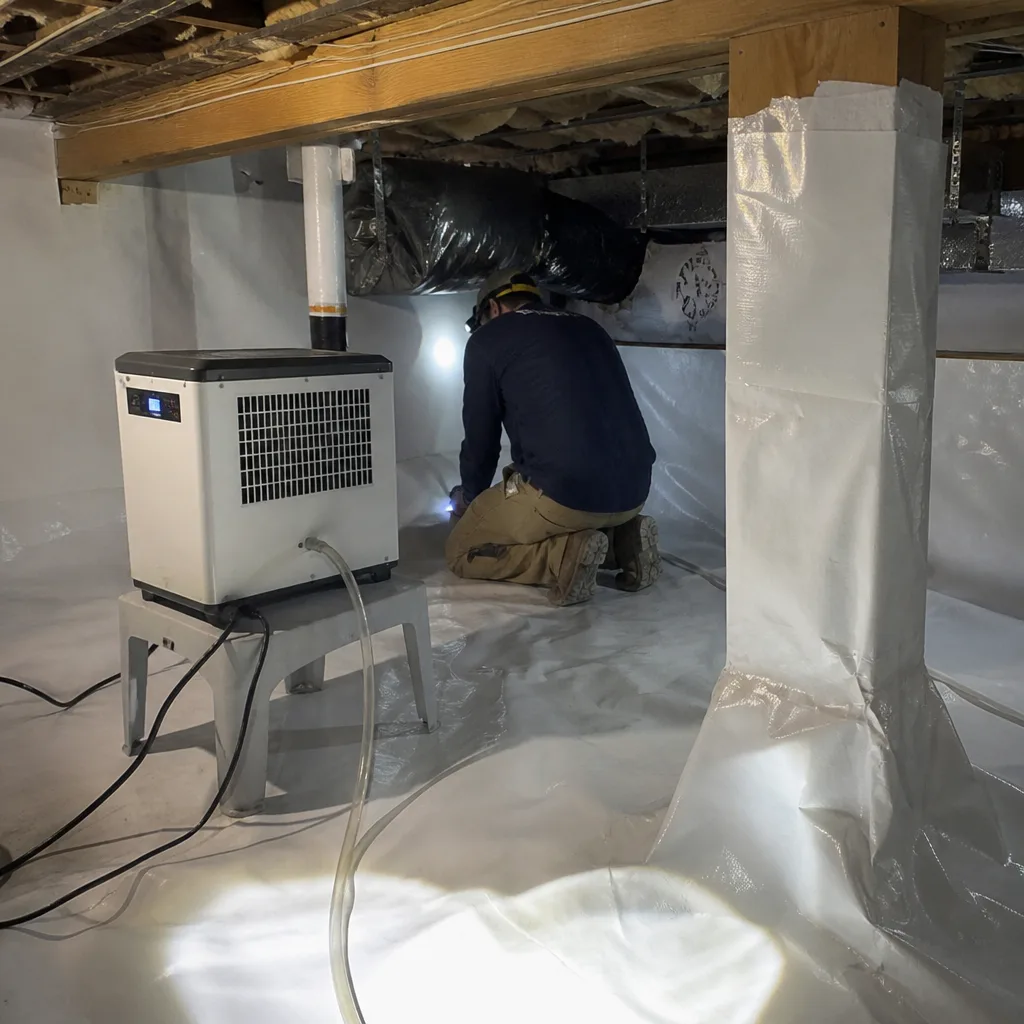
The definitive test is the blower-door reading. A blower door pressurizes the house and measures how much air the envelope loses in a single number, expressed in ACH50 (air changes per hour at 50 pascals of pressure). Anything above 7 ACH50 means the envelope is losing enough conditioned air that insulation alone can’t fix it. You could double the depth of the attic floor and still not hold the house’s temperature, because air is moving through the gaps the door just exposed.
Here’s how the test translates into practical terms for a North Las Vegas home:
- Under 4 ACH50 is a tight house, and the attic floor isn’t the primary problem.
- 4 to 7 ACH50 is a working envelope with room to improve, usually with air sealing before anything else.
- Above 7 ACH50 means air is moving fast enough that everything downstream, including insulation, is underperforming.
- Above 10 ACH50 is a genuinely leaky house, where a blower-door test often finds 20 or more discrete leaks that would never show up in a visual inspection.
This is why we publish before-and-after blower-door readings on every applicable job. A number is what you can verify. “Felt tighter” isn’t. On a typical North Las Vegas attic job, the reading might fall from 4,200 CFM50 (cubic feet per minute at 50 pascals) before sealing to 2,100 CFM50 after, and that single pair of figures tells you what the work actually accomplished.
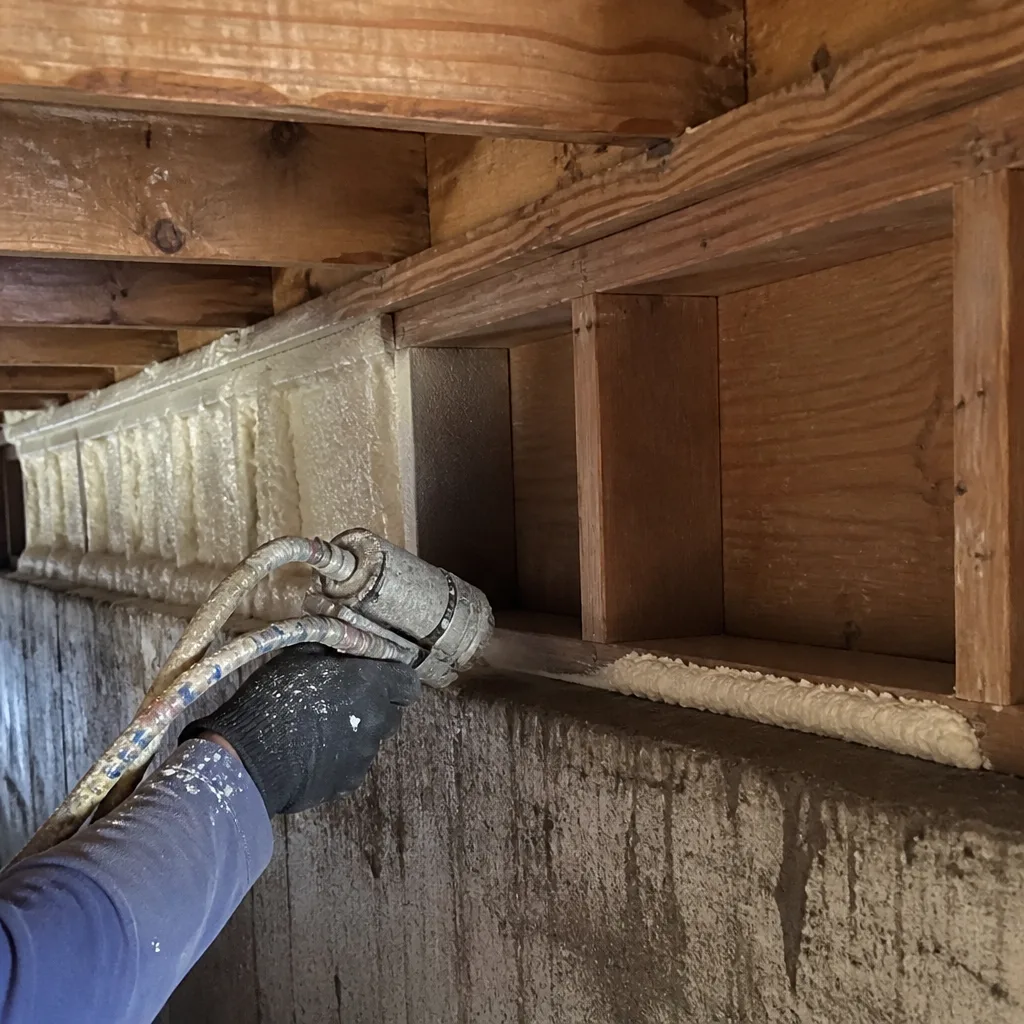
For homes with wall cavity or rim-joist issues, we sometimes pair attic sealing with spray foam insulation in North Las Vegas to seal the surfaces the attic can’t reach. Materials come from suppliers like CertainTeed, GreenFiber, and Icynene, chosen for the application, not locked to one brand.
Common Mistakes to Avoid
- Insulating before sealing. Blowing fiberglass over unsealed bypasses hides the leak, traps moisture, and buys you a smaller improvement than you paid for. Seal first, then insulate.
- Trusting a visual “looks fine” inspection. Insulation that reads healthy at a glance can fail the 5°F differential on a July afternoon. Measure or you’re guessing.
- Judging depth by memory. The attic install was 20 years ago; the fiberglass has settled. Whatever the original spec called for, measure now, in three spots.
- Blowing material over pest damage. Compressed, soiled, or tunneled insulation needs to come out before new material goes in. Otherwise you pay to insulate a problem.
- Blaming the utility for a spring bill jump. In North Las Vegas, an April kWh climb with a flat rate points inside the house, not at the rate schedule.
- Accepting a verbal quote on the hood of a truck. A price you can’t read again isn’t a price. Get it in writing, with a written scope and a written warranty, before anyone lifts a tool.
- Skipping the blower door. If your contractor won’t test and share the number, you have no way to verify the work did what the invoice claimed.
When to Call a Professional
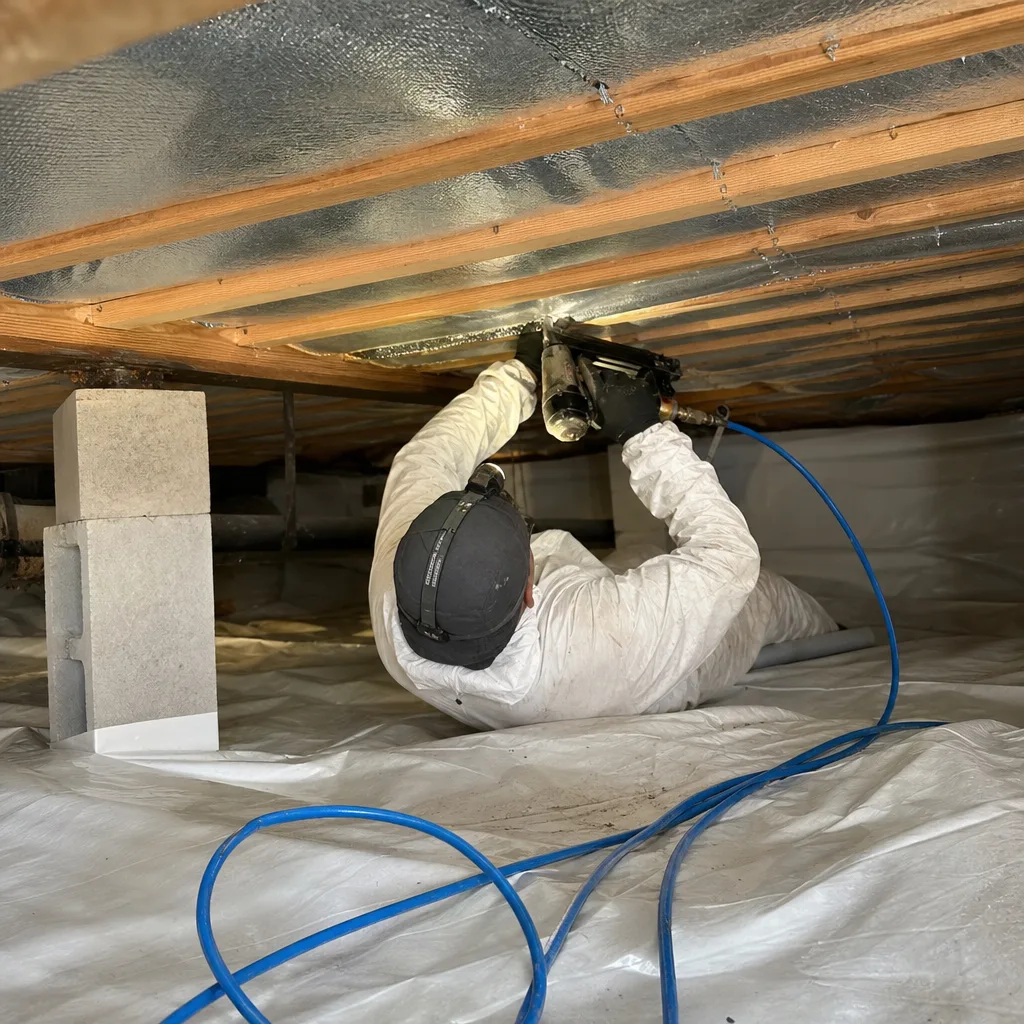
You should call a professional when any single warning sign here shows up on your own check, when two or more signs appear together, or when you’ve never had a blower-door test on a house built before 2010. If daylight is visible in the attic, if you’ve had rodent activity, if your upstairs runs consistently hotter than downstairs, or if the spring electric bill climbed without a rate change, it’s time to have the envelope tested rather than guessing at it.
Envelope Insulation North Las Vegas offers free estimates in North Las Vegas, and every job begins with a written price before any work starts. Call (833) 630-4008 to schedule an attic check and get a measured answer instead of an opinion. A live person answers, and if you already have a written estimate from someone else, we’ll read it with you as a free second opinion.
Frequently Asked Questions
The floor-to-floor ceiling differential is the first reliable sign: an upstairs ceiling reading more than 5°F above the downstairs ceiling after two hours of HVAC runtime points to a failed thermal boundary. A tape-measure depth below 10 inches of blown fiberglass is the fastest second check. Together they confirm the problem without a bill ever moving. Call (833) 630-4008 for a free estimate and a written price.
Push a tape measure or yardstick marked at 10 inches down through the insulation until it hits the ceiling drywall, then read the depth. Do it in three spots: near the hatch, mid-attic, and against an outer wall. Below 10 inches in two of three spots means the material has compressed or settled. A free estimate from Envelope Insulation North Las Vegas includes a documented depth reading and photo record; call (833) 630-4008.
A reading above 7 ACH50 means the envelope is leaking enough air that insulation alone can’t fix the performance gap. You could add depth to the attic floor and still lose conditioned air through the bypasses. Above 10 ACH50, the house is genuinely leaky and air sealing becomes the mandatory first step. A free estimate includes the measurement; call (833) 630-4008 for exact pricing.
A spring electric bill climb with a flat per-kWh rate means the house is consuming more energy to hold the same temperature, which points to insulation degradation rather than a rate change. Compare the same month year over year: if kWh rose 15% or more and the rate held steady, the envelope is the cause. Call (833) 630-4008 to have the attic tested.
Yes. Rodent tunneling and nesting compress blown insulation and create thermal bridges where heat moves through freely, which degrades R-value before any bill shows a change. Roof rats are common in Clark County, and the rats’ runways leave visible tracks in the fiberglass. Insulation removal, replacement, and rodent proofing usually go together; call (833) 630-4008 for a free estimate.
Attic insulation jobs in North Las Vegas typically depend on the attic’s square footage, current depth, and whether air sealing and pest remediation are needed. We don’t quote over the phone; a written price before any work starts is the whole point of how we operate, so the estimate visit produces a flat figure and a written scope, with no surprises. Call (833) 630-4008 to book a free estimate and get the price in writing.
The Bottom Line
Attic insulation failure shows up in numbers long before it shows up on your bill. The four measurements that matter are a floor-to-floor ceiling differential above 5°F, insulation depth below 10 inches, visible daylight through attic bypasses, and HVAC runtime above 60% of a summer hour. Pest activity, a spring electric bill climb, and yellowed brittle fiberglass are supporting signs. The definitive test is a blower-door reading, and anything above 7 ACH50 tells you air sealing has to come first, before insulation. In our North Las Vegas work, the homes that get ahead of this are the ones that measured first and planned the repair on their own terms instead of reacting to a bill.
Explore our Envelope Insulation North Las Vegas home page for the full service line, from attic work to whole-home energy audits. Every visit comes with a Documented Photo Record, and every job finishes under our 2025 365-Day Done Right Promise: if it’s not done right, we make it right.
Ready for a measured answer instead of a guess? Call (833) 630-4008 for a free estimate in North Las Vegas. A live person answers around the clock, and a written price is waiting before anyone lifts a tool.
Written by the team at Envelope Insulation North Las Vegas.