
Last updated November 18, 2026
Insulation Cost Breakdown: The North Las Vegas Homeowner’s Reference for 2026
Two attic insulation quotes for the same North Las Vegas house often land $400 apart, and the gap usually has nothing to do with the insulation. One quote includes the air sealing labor that makes the R-value work; the other blows fiberglass over open top plates and calls it done. The prices aren’t comparable because the scopes aren’t the same, and neither quote tells you what performance number you’ll actually end up with. This guide breaks North Las Vegas insulation costs into discrete line items – material, labor, air sealing, and documentation – so you can read two quotes side by side and see what each one really buys.
Quick Answer
Attic insulation in North Las Vegas typically runs $1.80 to $3.50 per square foot installed for blown fiberglass, $2.50 to $4.25 for blown cellulose, $4.50 to $7.50 for open-cell spray foam, and $6.00 to $9.50 for closed-cell spray foam in 2026. Most single-story North Las Vegas homes land between $2,000 and $4,500 for a full attic job that includes air sealing. Air sealing alone adds $600 to $1,400 depending on attic complexity, and blower-door documentation adds $250 to $400 if it isn’t bundled into the job.
Table of Contents
- Why North Las Vegas Insulation Quotes Are Hard to Compare
- 2026 Per-Square-Foot Costs by Material Type
- Air Sealing: The $600 to $1,400 Line Item That Changes Everything
- What Documentation Costs – and What It’s Worth
- NV Energy Rebates for Insulation Upgrades in 2026
- Total Cost of Ownership: $2,200 Versus $1,700
- What Moves the Number: Depth, Access, and Removal
- How to Read a North Las Vegas Insulation Quote, Line by Line
Why North Las Vegas Insulation Quotes Are Hard to Compare
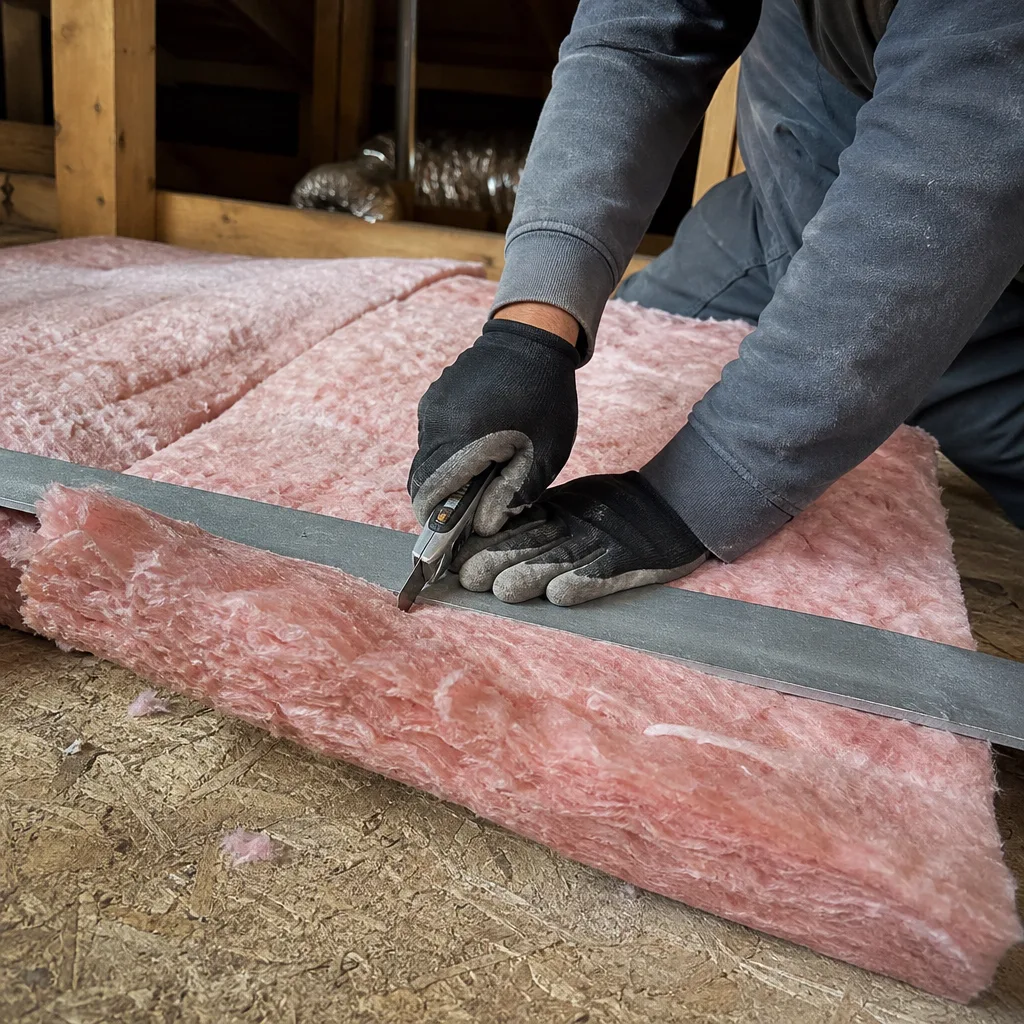
The core problem is that “attic insulation” describes a material, not a scope. One contractor prices the material and the labor to blow it in. Another prices the material, the labor, the air sealing of top plates and penetrations, the baffles at the eaves, and the blower-door test that proves the work. Those two quotes can differ by $400 and represent completely different jobs.
In our experience across North Las Vegas, the biggest divergence is air sealing. A house in Aliante built in the mid-2000s commonly has can lights punched through the ceiling plane, top plates that were never caulked at the framing stage, and bath fan housings that leak into the attic. Blowing insulation over those gaps doesn’t fix them – it hides them. The R-value gets installed, but the building envelope still leaks, and the homeowner’s summer NV Energy bill doesn’t move the way the sales pitch promised.
North Las Vegas makes this worse than most markets. Summer design temperatures push 108°F, and the attic can sit at 150°F or higher by early afternoon. That temperature differential drives air movement through every unsealed penetration with real force. A house that performs fine in a mild climate can leak badly here, which is why the order of operations matters: seal first, then insulate.
A comparable quote, then, needs four visible parts. Material type and target R-value. Square footage and depth. A separate air-sealing line with a defined scope. And a documentation line – blower-door numbers, thermal imaging, or a photo record. When one of those is missing, you’re not looking at a cheaper job. You’re looking at a smaller one.
2026 Per-Square-Foot Costs by Material Type
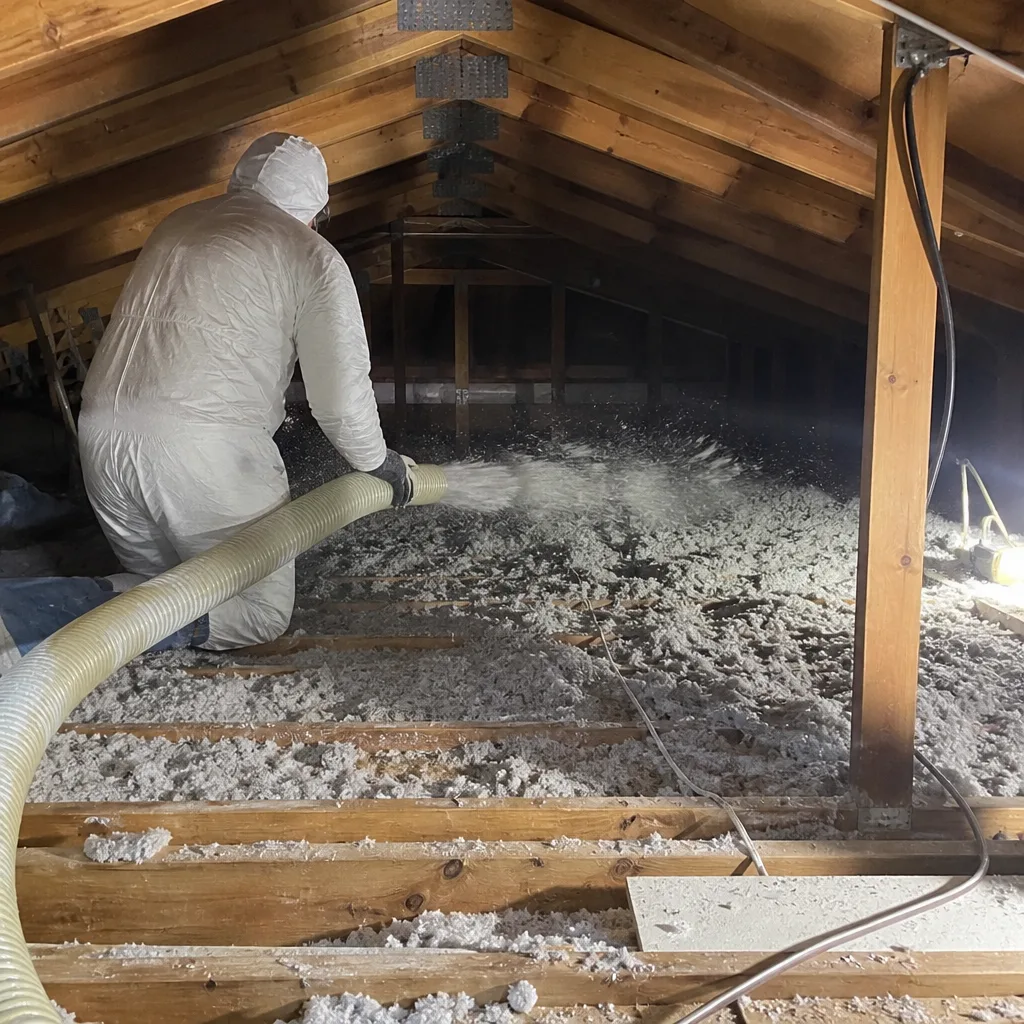
These ranges reflect North Las Vegas labor rates and material pricing for 2026, for a typical attic with reasonable access and no existing insulation to remove. Use them as a benchmark, then adjust for the variables in the next section.
- Blown fiberglass: $1.80 to $3.50 per square foot installed. The most common choice in North Las Vegas because it’s the cheapest path to R-38 and it doesn’t settle the way cellulose can. Johns Manville and Knauf both make product lines we use.
- Blown cellulose: $2.50 to $4.25 per square foot installed. Denser and better at blocking airflow than fiberglass, but it can settle over time and it’s heavier in the hopper. GreenFiber is the common brand here.
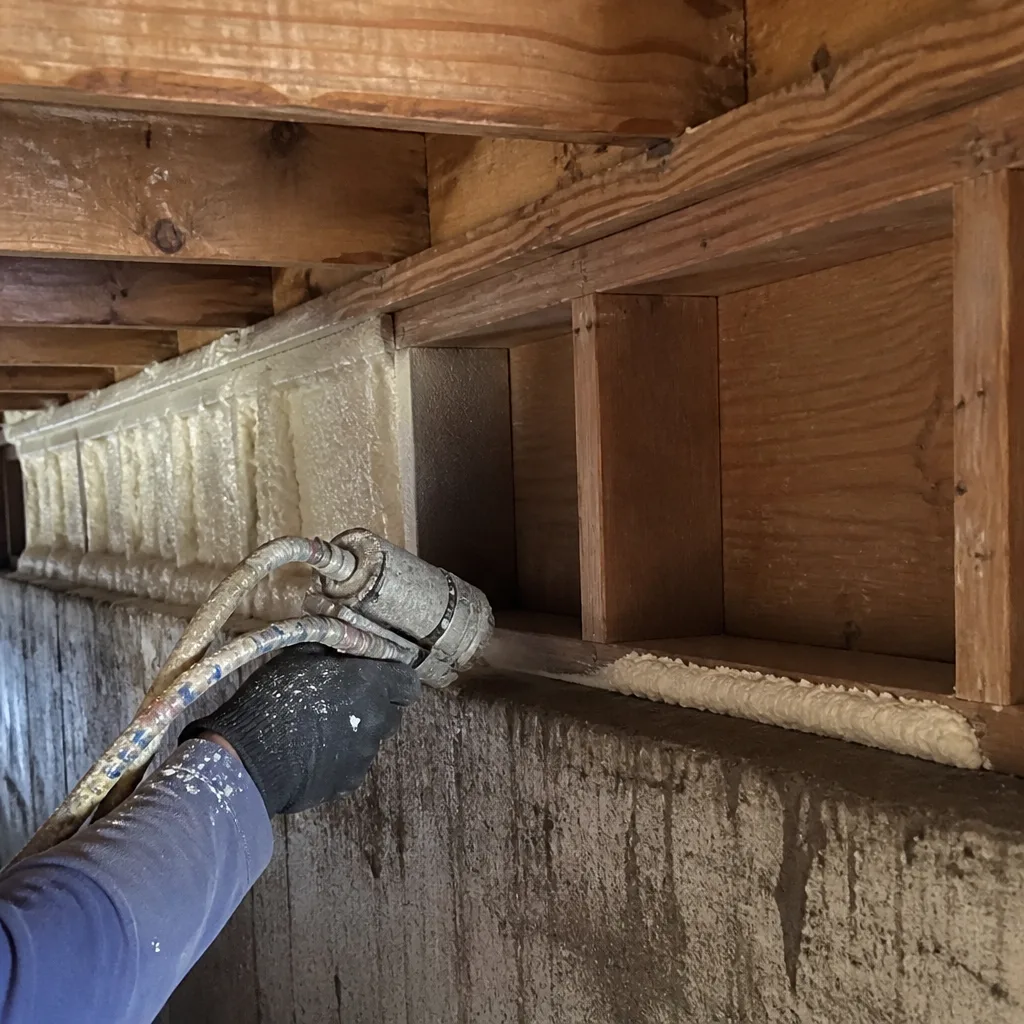
- Open-cell spray foam: $4.50 to $7.50 per square foot installed. Goes in at lower R-value per inch than closed-cell, so it’s usually used for wall cavities or irregular framing rather than a flat attic floor.
- Closed-cell spray foam: $6.00 to $9.50 per square foot installed. The highest R-value per inch and it acts as its own air barrier, which is why it can reduce the need for separate air sealing – but it costs three to four times what blown fiberglass does for the same R-value.
For most North Las Vegas homeowners chasing a specific R-value on a budget, blown fiberglass or cellulose plus a proper air-sealing scope delivers the best dollar-per-unit-of-R result. Spray foam earns its price in specific situations – vaulted ceilings, knee walls, rim joists, and problem rooms that never cool down – which is why we treat it as a targeted tool rather than the default. See spray foam insulation in North Las Vegas for the jobs where it actually pays back.
Air Sealing: The $600 to $1,400 Line Item That Changes Everything
Air sealing is the separate scope that closes the gaps between a home’s conditioned space and the attic or crawl space. In Clark County labor rates for 2026, a full attic air-sealing scope runs $600 to $1,400. It appears in some quotes and not others because it’s labor, not material – there’s no product to mark up, and it takes a crew most of a day to do properly.
A complete scope covers:
- Top plates at every interior and exterior wall – the framing joint where the wall meets the ceiling plane.
- Can lights and recessed fixtures, using airtight covers rated for the fixture’s heat.
- Bath fan housings and exhaust penetrations.
- Plumbing, electrical, and duct chases that run from conditioned space into the attic.
- Baffles at the eaves to keep insulation off the roof deck and preserve attic ventilation.
- Attic hatch and knee-wall doors, weatherstripped and insulated.
Skip that scope and the insulation still works – just not as advertised. Insulation slows heat conduction through the building assembly. Air sealing stops the convective leak that carries conditioned air out of the house. You need both, in that order, or the money spent on R-value leaks straight through the ceiling.
This is the principle behind our attic insulation in North Las Vegas service: air sealing is completed before any insulation goes in. It’s also why the blower-door numbers on a well-sealed job often show a bigger improvement than the R-value change alone would predict.
What Documentation Costs – and What It’s Worth
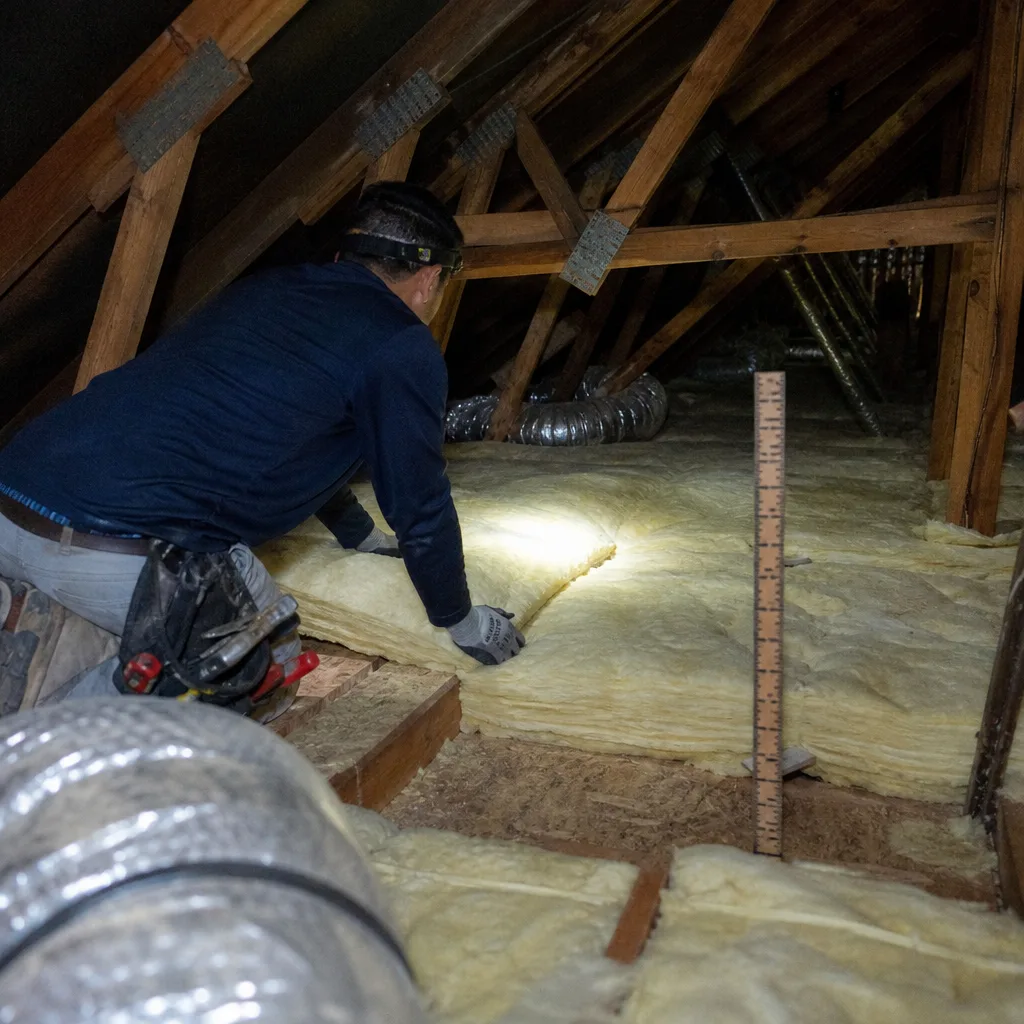
Documentation is the part of the quote most homeowners don’t ask about, and it’s the part that determines whether you can prove the job worked. Priced as standalone services in North Las Vegas for 2026:
- Blower-door test: $250 to $400. A pressurization measurement that reads, in a single figure, how much air the building envelope is leaking at 50 pascals of pressure. It’s the only number that shows, before and after, what the air sealing actually changed.
- Thermal imaging: $150 to $300. Infrared photos of the attic floor and walls that reveal voids, gaps, and areas where insulation didn’t land evenly. Useful as a second layer of evidence alongside a blower-door reading.
- Written photo record: usually included in a proper job, but confirm it. Before, during, and after photos of the attic floor, the sealed penetrations, and the installed depth give you a permanent record of what was done.
Documentation isn’t decorative. A blower-door test is what turns “we insulated the attic” into a measurable claim, and it’s also what you’ll be asked for if you apply for a rebate or sell the house. When a quote doesn’t include one, ask why. The answer is usually that the contractor doesn’t own the equipment, or doesn’t want a number on record.
NV Energy Rebates for Insulation Upgrades in 2026
NV Energy’s residential insulation rebate reduces the net cost of qualifying upgrades, and the amount depends on the R-value you reach. The utility tiers the rebate by target R-value rather than by material – so reaching a higher R-value can trigger a larger rebate and change the math on a job that looked $300 more expensive up front. Confirm current 2026 tiers directly with NV Energy before signing, since the program is adjusted annually.
To process a claim, NV Energy generally requires documented proof of the installed R-value and the completed work. That means a written scope from the contractor, documentation of the installed depth, and pre- and post-work evidence if the program asks for it. This is one more reason the documentation line in a quote matters: a job with no blower-door reading and no photo record can create rebate-claim headaches later.
Rebate eligibility and amounts are set by the utility, not by us. We confirm the current program requirements with NV Energy before quoting so the number you see in writing is the number after the rebate, not before.
Total Cost of Ownership: $2,200 Versus $1,700
Here’s the comparison that most cost guides skip. Contractor A quotes $2,200 for an attic job that includes air sealing and a blower-door test. Contractor B quotes $1,700 for insulation alone, no sealing, no test. On paper B is $500 cheaper. Run the numbers and it often isn’t.
Suppose the $2,200 job cuts the blower-door reading from 4,200 CFM50 to 2,100 CFM50 – a typical result for a well-sealed North Las Vegas attic. That reduction in air leakage translates directly into less air conditioning working to replace conditioned air that was escaping through the ceiling. The $1,700 job, with no sealing, typically produces a smaller improvement for the same installed R-value, because the envelope still leaks.
The payback math runs roughly like this: estimate the annual cooling savings from the documented improvement, divide the up-front difference by that figure, and you get the number of cooling seasons before the more expensive job catches up. With North Las Vegas cooling costs in the summer running several hundred dollars per household and NV Energy rates per kWh driving the difference, a $500 premium on a well-documented job frequently pays back within two to three summers. The $1,700 job may never produce a measurable improvement, in which case the “cheaper” job is the one that cost the most.
The catch is that you can only do this math if the contractor measures. No blower-door number, no payback calculation. That’s the whole case for documentation: it’s what lets you decide whether a quote is actually more valuable or just more expensive.
What Moves the Number: Depth, Access, and Removal
The per-square-foot ranges assume an easy attic. In practice, North Las Vegas jobs move up or down for a handful of reasons:
- Depth to reach the target R-value. Blown fiberglass lands at about R-2.2 to R-2.5 per inch. Reaching R-38 in a house that currently has R-11 means adding more than a foot of depth. Reaching R-49 (recommended for this climate zone) means more material and a higher line item.
- Access difficulty. A narrow hatch, a low-clearance roof pitch, or a hip-roof with limited working area can add 15 to 25 percent to labor. Attics with no walkway need one built before the crew can move.
- Existing material removal. If the current insulation is contaminated, rodent-damaged, or piled against the roof deck, it has to come out before new product goes in. Removal and disposal in North Las Vegas typically runs $1.00 to $2.00 per square foot on its own.
- Rodent activity. If the attic has an active rodent problem, proofing and cleanup come first. Insulating over an active infestation just gives the pests a better home.
- Duct sealing. Attic ducts in North Las Vegas leakage can be as significant as ceiling leakage. If ducts run through the attic, sealing them is often part of the same visit.
These variables are exactly why we don’t give a price over the phone. The depth required, the access, and the removal scope are only knowable after the attic has been inspected.
How to Read a North Las Vegas Insulation Quote, Line by Line
A comparable quote has a specific shape. If you’re staring at two estimates and can’t tell which one is better, use this checklist:
- Material type and target R-value, both stated. “Attic insulation” is not a scope. “R-49 blown fiberglass, 17 inches installed depth” is.
- Square footage of attic floor to be covered, and whether the price is per square foot or flat.
- Existing material removal, if required, priced as a separate line. If the quote doesn’t mention the current insulation, ask.
- Air sealing scope, with the specific items to be sealed. “Air sealing included” without a list is not a scope.
- Baffles and ventilation, noted separately from insulation.
- Blower-door test, before and after, included or priced separately.
- Photo record, included or not.
- Written warranty and written scope of work, delivered before anyone starts.
If a quote is missing any of these, ask for them in writing before signing. A contractor who won’t put the scope in writing before work starts is telling you how the job will go. For the deeper version of this checklist, our Envelope Insulation North Las Vegas home page covers how we structure jobs and what the written record includes.
And if you want a second read on a quote you’ve already received, bring it to us. Under Haven Standard Clause 1 – Have it in writing – we’ll read a competing estimate with you and point out what’s included, what’s missing, and what a comparable scope should cost. That’s the Free Second Opinion, and it’s genuinely free.
Common Mistakes to Avoid
- Comparing prices without comparing scope. A $400 difference between quotes almost always means a different job, not a better deal. Put the two scopes side by side before you decide.
- Letting insulation go over an unsealed attic floor. Blowing product over open top plates and can lights hides the leaks. Seal first, then insulate – every time.
- Skipping the blower-door test to save $250. Without a before-and-after reading, you’ll never know whether the job actually reduced the air leakage. You’ll just have a receipt.
- Assuming a rebate without reading the threshold. NV Energy rebates are tiered by R-value. Reaching the next tier can change the net cost, and you need documentation to claim it.
- Accepting a verbal price. On an attic job, the scope is the product. Get a flat written price, a written scope, and a written warranty before anyone lifts a tool.
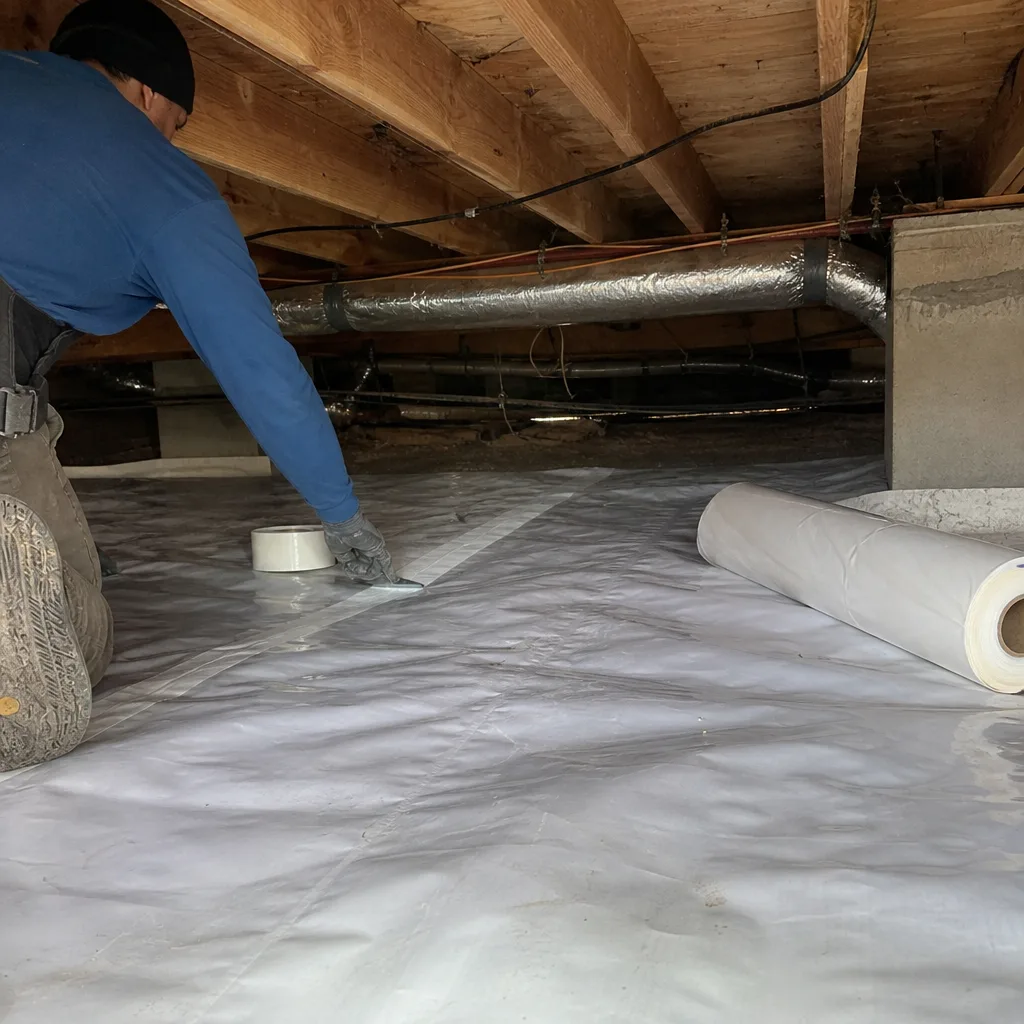
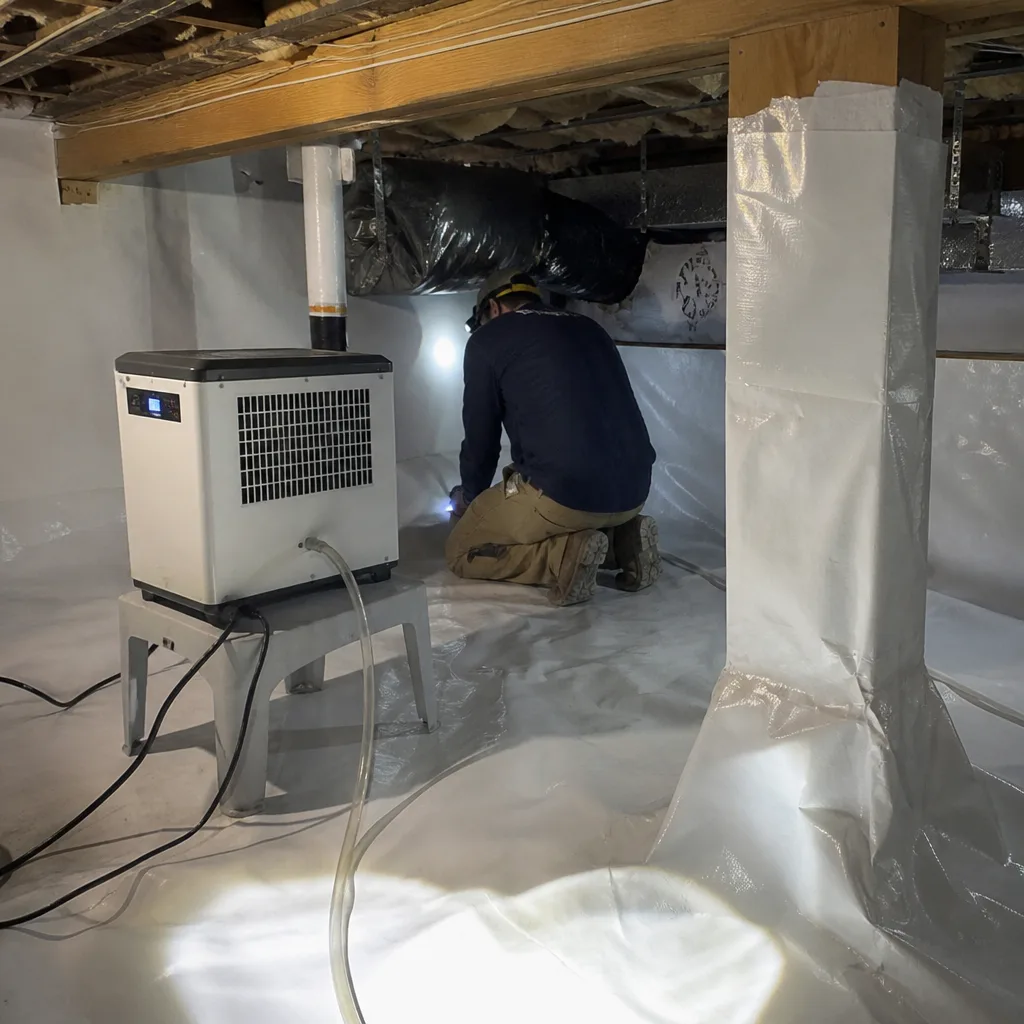
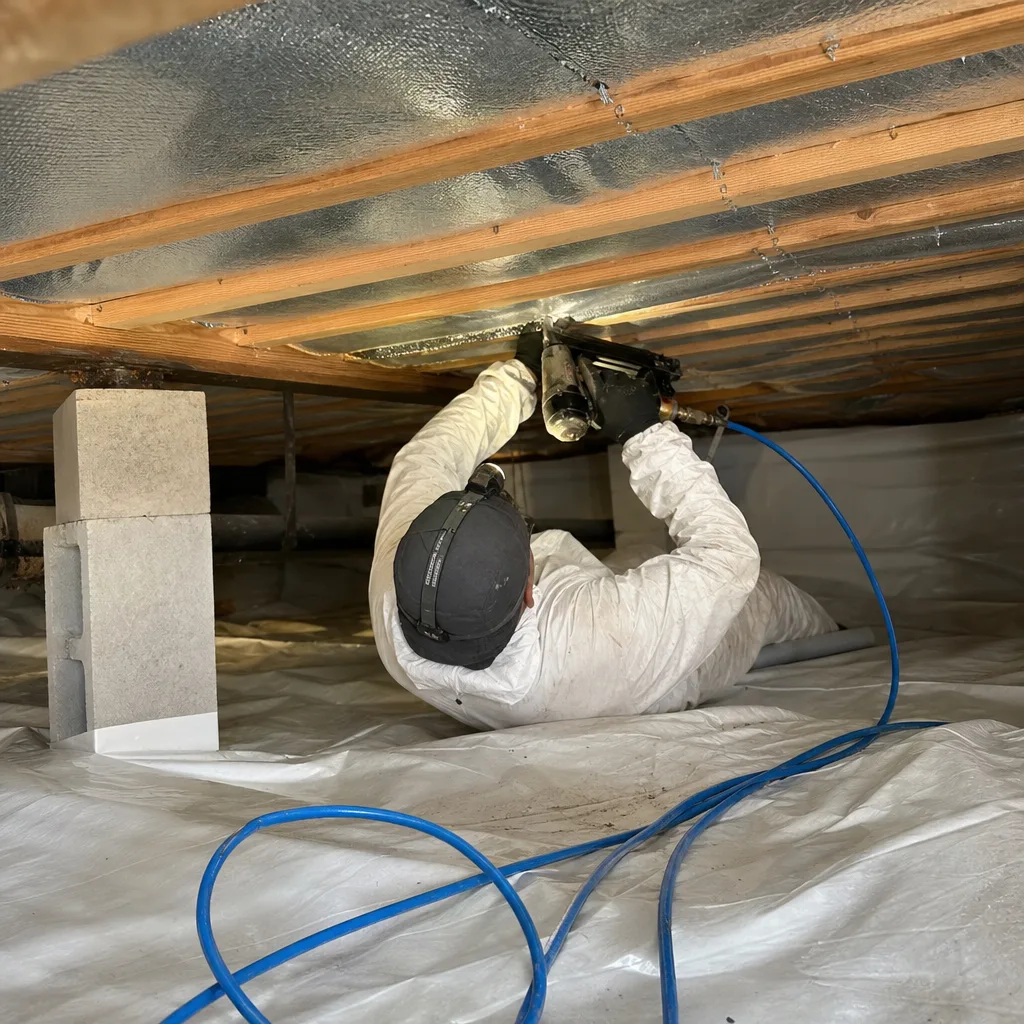
- Ignoring the crawl space. North Las Vegas homes with crawl spaces leak through the floor too. A sealed attic over a vented, unsealed crawl space leaves half the envelope open.
- Choosing the lowest bid without asking what the crew will measure. The question isn’t whether the contractor will do the job. It’s whether they’ll prove they did it. Ask for the blower-door numbers.
When to Call a Professional
Some jobs are a quick inspection – others need a trained crew with the right equipment. Call a professional if your attic has existing insulation piled against the roof deck, if you can see light or airflow at recessed fixtures and top plates, if the attic has evidence of rodent activity, if a room on the south side of the house never cools down in summer, or if you’re comparing quotes and need a comparable scope. High-R-value installations, spray foam applications, and any job that requires air sealing around electrical or gas penetrations are not do-it-yourself work, and we recommend a trained technician for all of them. Envelope Insulation North Las Vegas offers free estimates in North Las Vegas – call (833) 630-4008 and we’ll schedule an attic inspection.
Frequently Asked Questions
Most attic insulation jobs in North Las Vegas run $2,000 to $4,500 for a full scope that includes material, labor, air sealing, and documentation. Blown fiberglass runs $1.80 to $3.50 per square foot installed; closed-cell spray foam runs $6.00 to $9.50. The variable that moves the number most is whether air sealing and blower-door testing are included. Call (833) 630-4008 for an exact quote – estimates are free.
Not always, and that’s the most common reason two North Las Vegas quotes don’t match. Air sealing is a separate scope that typically adds $600 to $1,400 in Clark County labor rates, and many contractors leave it out to lower the bid. Ask for the air-sealing line in writing. If it’s not there, the quote isn’t comparable to one that includes it.
A standalone blower-door test runs $250 to $400 in North Las Vegas. On a full insulation job, we include before-and-after readings so you can see the air leakage number the work actually changed. A contractor who won’t provide a blower-door reading isn’t giving you a way to verify the job. Call (833) 630-4008 to schedule a test – estimates are free.
NV Energy offers a residential insulation rebate tied to the R-value you reach, and the tiers are set by the utility and adjusted annually. Reaching a higher R-value usually triggers a larger rebate, so a $300 more expensive job can have a lower net cost. Confirm the current 2026 tier amounts with NV Energy before signing, and make sure the quote includes documentation the utility will accept.
If existing insulation is compressed, rodent-contaminated, or piled against the roof deck, removal and replacement is usually cheaper than trying to top it off. Compromised insulation stops performing even if you add more on top. Attic cleaning and rodent proofing sometimes need to run first. Call (833) 630-4008 for an inspection – estimates are free.
We schedule attic inspections as quickly as access allows, and calls are answered by a live person 24/7 – no voicemail loops. We’ll confirm your scheduled time by text, with the named technician, under Haven Standard: Arrive on schedule. Call (833) 630-4008 to get on the schedule. Estimates are free.
The Bottom Line
North Las Vegas insulation costs are only meaningful when you know what’s inside them. Material and labor are the easy parts to compare; air sealing, blower-door testing, and documentation are where quotes actually diverge, and where the difference in performance shows up. Read every quote for what it includes, not just what it costs. A $2,200 job with a documented result can be cheaper over two cooling seasons than a $1,700 job with no measurement at all. Get the scope, the air-sealing line, and the blower-door numbers in writing before anyone lifts a tool.
If you’d like a written price for your North Las Vegas home, or a second opinion on a quote you’ve already received, Envelope Insulation North Las Vegas can help. Call (833) 630-4008 for a free estimate. Every job begins with a written scope and a flat price, and closes with a documented record – including, on applicable jobs, before-and-after blower-door numbers you can verify.
Written by the team at Envelope Insulation North Las Vegas.