
Last updated November 18, 2026
How Long Does Spray Foam Insulation Take? Timelines and What to Expect
A 2,000 sq ft attic floor takes a professional crew roughly three hours to spray. But the house needs to stay unoccupied for a minimum of 24 hours after closed-cell application finishes, and that reoccupancy window is a manufacturer requirement, not a contractor preference. Most homeowners plan around the gun time and get caught off guard by everything around it. In this guide we sequence the entire timeline for a spray foam project in North Las Vegas: prep, air sealing, application, cure hold, inspection, and blower-door verification, with realistic hours attached to each phase.
Quick Answer
Spray foam insulation itself goes in fast, usually 2 to 4 hours for a typical attic or rim-joist job, but the full project timeline runs 1 to 3 days once you count pre-install prep, air sealing, the 24-hour minimum reoccupancy hold, and post-cure inspection. Closed-cell foam cures faster than open-cell but still requires you out of the space overnight. Plan for the hold period, not the spray time.
Table of Contents
- The Five Phases of a Spray Foam Project
- Gun Time by Assembly Type
- Open-Cell vs. Closed-Cell: Reoccupancy Timelines
- What Extends the Schedule
- The Post-Install Inspection and Why It Adds Time
- North Las Vegas Climate and Spray Foam Timing
- What Documentation You Should Walk Away With
- Common Mistakes to Avoid
- When to Call a Professional
- Frequently Asked Questions
The Five Phases of a Spray Foam Project
The spray gun is the shortest part of any spray foam job. Here’s the full sequence, in order, so you can plan around the real timeline instead of the marketing number.
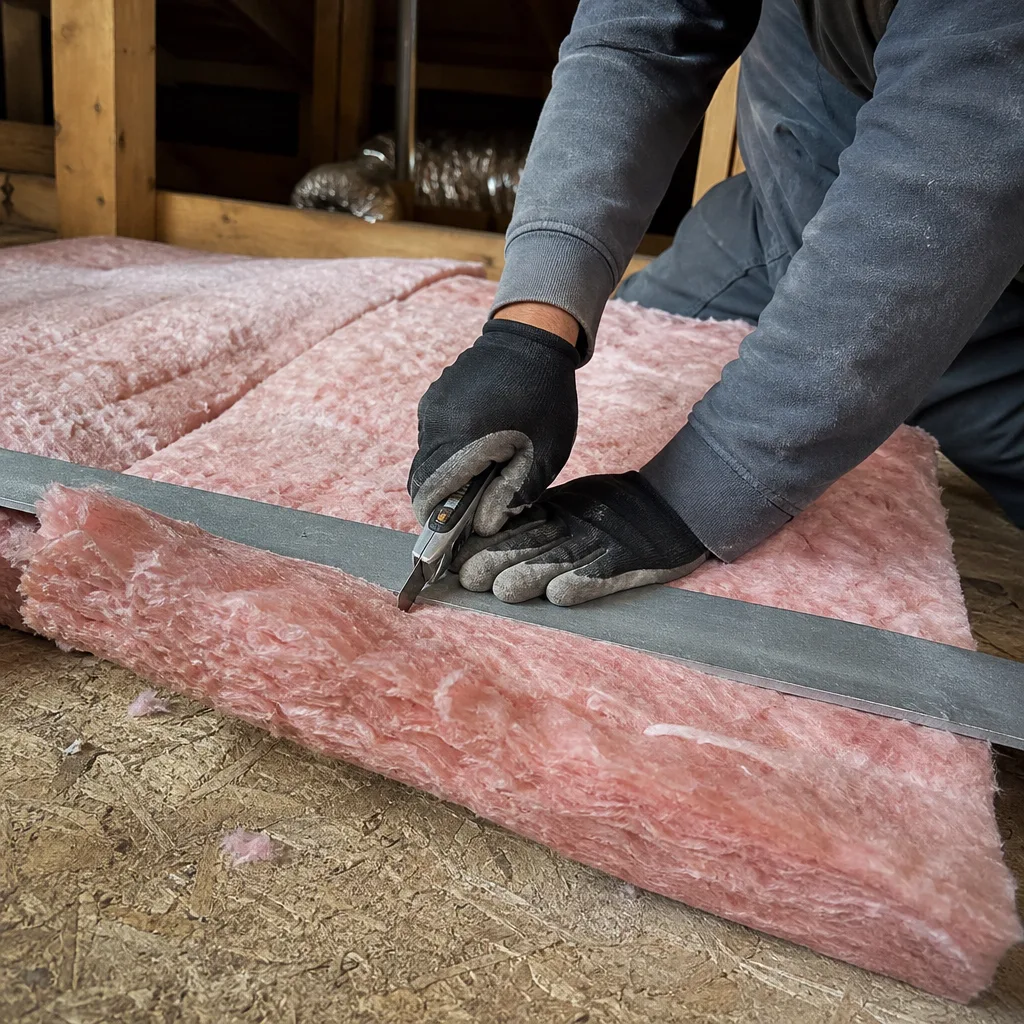
- Pre-install prep (2 to 6 hours, sometimes a full prior day). Clearing the attic or crawl space, moving stored items, dropping protective covering over finished surfaces, and confirming the substrate is dry enough for adhesion.
- Air sealing penetrations (1 to 3 hours). Sealing top plates, can lights, plumbing and electrical penetrations, and rim-joist gaps before any foam is sprayed. This is the phase most contractors skip and the one that determines whether the foam performs.
- Spray application (2 to 4 hours, assembly dependent). The gun time. See the breakdown below.
- Cure hold (minimum 24 hours, open-cell can run longer). The reoccupancy period. This is the phase that catches homeowners off guard.
- Post-cure inspection and blower-door verification (30 to 90 minutes). Thickness checks, adhesion pull tests, and a documented air-leakage reading.
In our experience, a single-day job usually means prep and sealing on a Monday morning, spray by midday, inspection Tuesday, and reoccupancy Tuesday afternoon or evening. A two-day job is the same sequence with a longer prep phase because the attic was cluttered or the existing insulation needed removal first.
Gun Time by Assembly Type
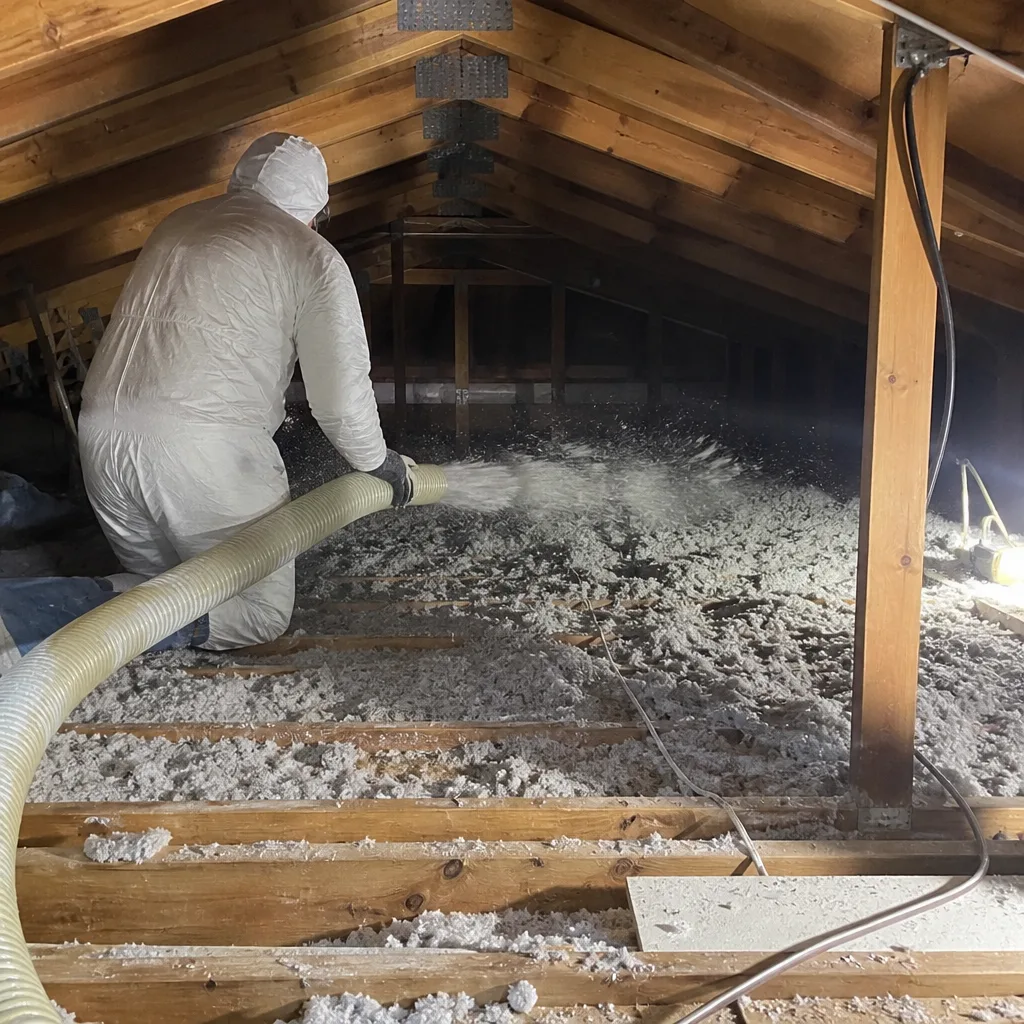
Spray rate depends on assembly, thickness, and how accessible the surface is. These are realistic ranges for a two- or three-person crew working a standard installed thickness. Coverage is measured in board feet, which is one square foot at one inch thick.
- Attic floor (open-cell, 6 to 8 inches): 1,200 to 1,600 sq ft per hour. A 1,500 sq ft attic floor is 2 to 3 hours of gun time.
- Unvented attic deck (closed-cell, 3 inches under the roof deck): 400 to 700 sq ft per hour. Slow going because of rafter bays, knee walls, and overhead work.
- Rim joist band (closed-cell, 2 to 3 inches): 150 to 250 linear feet per hour, depending on how tight the joist bays are.
- Wall cavity, open-cell (2×4 framing, 3.5 inches): 300 to 500 sq ft of wall face per hour. Every stud bay, outlet box, and window frame adds time.
These numbers assume the surface is clean and the crew isn’t stopping to pull old fiberglass out of a bay. They also assume the spray rig is set up and running. A crew that needs 45 minutes to dial in pressure and temperature before the first pass is 45 minutes you’re paying for on a small job. In North Las Vegas, most attic and rim-joist projects land in the 2 to 4 hour gun-time range, which is why the spray phase feels fast relative to everything else.
For a fuller comparison of assemblies and costs, see our page on Spray Foam Insulation in North Las Vegas.
Open-Cell vs. Closed-Cell: Reoccupancy Timelines
“Cured” doesn’t mean “dry to the touch.” It means the chemical reaction is complete and any residual blowing-agent off-gassing has dropped below a level that’s safe to occupy. That’s why the reoccupancy window is a fixed hold, not a judgment call.
- Closed-cell foam: Reacts quickly, tacks within seconds, and is fully cured faster than open-cell. Most manufacturers require a minimum 24-hour hold before reoccupancy. Some formulations with a longer cure curve stretch that to 24 to 48 hours in cooler conditions.
- Open-cell foam: Lower density, larger cell structure, more residual moisture from the blowing process, and a longer off-gassing period. The same 24-hour minimum applies, and in our experience a full 24 to 48 hours is the practical window before the space is comfortable and safe.
The practical answer is to plan on being out of the space for a minimum of 24 hours after the spray finishes, closed-cell or open-cell. Manufacturer labels are the floor, not a suggestion. The label on the drums your contractor uses is the document to read, and it’s the one to check before you sign a written scope. If a contractor tells you the house is fine to sleep in that night, ask to see the label requirement in writing.
What Extends the Schedule
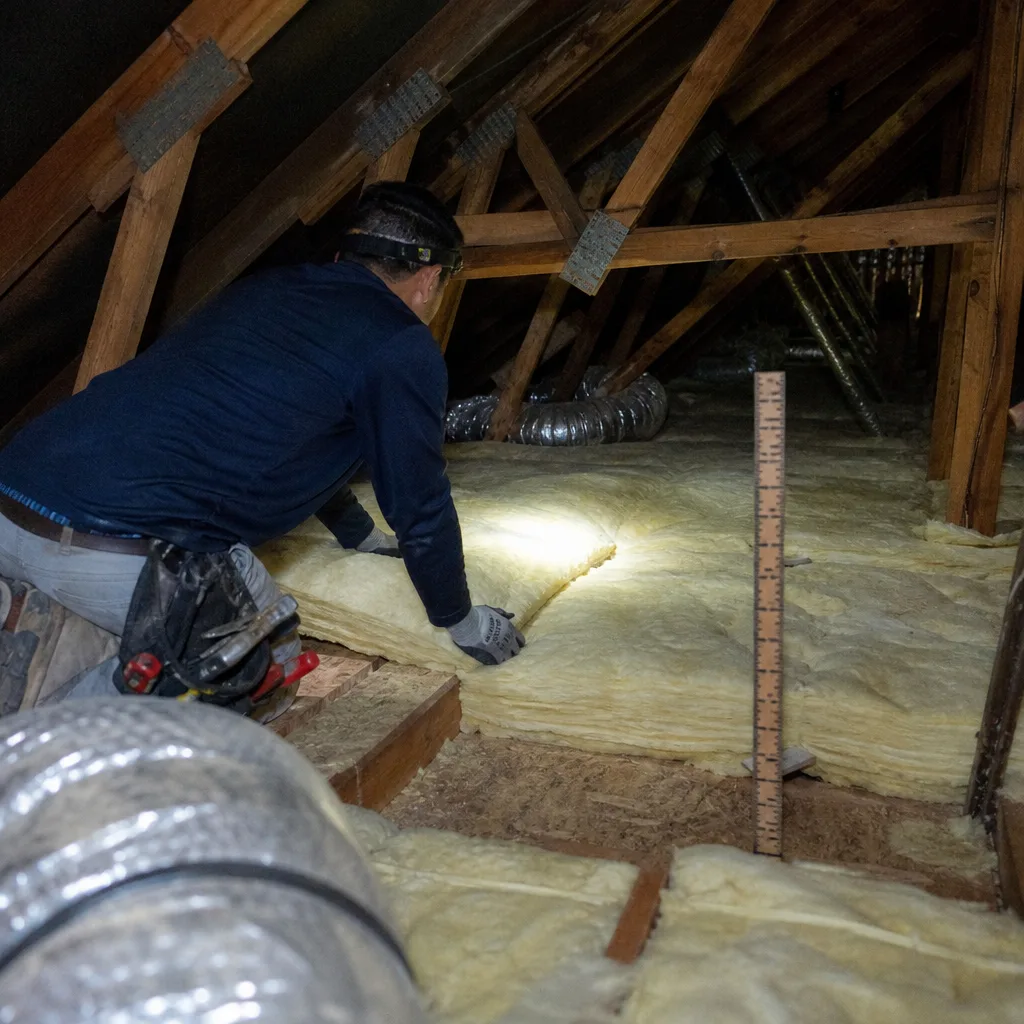
Straightforward jobs finish on schedule. These are the four conditions that push a spray foam project into a second or third day.
- Wet substrate. Foam won’t adhere to a damp surface, and moisture trapped under foam is worse than no foam at all. If a rim joist or attic deck reads damp when the crew checks with a moisture meter, that surface has to dry before any spray goes down. In a humid crawl space, that can add a full day.
- Ambient temperature outside the 60 – 90°F window. The two-component chemistry in spray foam needs a specific temperature range to rise and tack correctly. Outside that window, the space gets pre-conditioned with temporary heat or cooling before spraying starts. This isn’t common in a North Las Vegas summer, but a cold snap in January can cost a morning of warming.
- Existing insulation removal. Blowing new foam over old, compressed, or contaminated insulation is a separate scope of work. Removal and disposal typically runs 2 to 5 hours on its own and happens the day before the spray, which is why these projects run two days.
- Deferred air sealing. If the contractor finds more penetrations than the estimate assumed (common in homes built in the 1990s in North Las Vegas’s older subdivisions), the air sealing phase stretches and pushes the spray window.
The Post-Install Inspection and Why It Adds Time
The inspection is where the contractor proves the job was done right, not where they pat themselves on the back. It takes 30 to 90 minutes and covers four things:
- Thickness verification at specified locations. A probe reads the foam thickness at points named in the written scope. Under-thickness foam looks fine but underperforms its R-value.
- Adhesion pull test at substrate interfaces. A small section is pulled to confirm the foam has bonded to the substrate at the rim joist or attic deck. Poor adhesion means the foam can delaminate later.
- Visual inspection of the entire surface. Checking for voids, gaps, or missed bays around penetrations.
- Blower-door test. A pressurization reading that shows, in a single number, how much air your building envelope is losing, measured in CFM50 (cubic feet per minute at 50 pascals of pressure). When we do a before-and-after pair, the two numbers tell you exactly what the sealing work bought.
The blower-door test is the single most useful document to have on a spray foam job because it’s the only measurement that verifies the air sealing result. Without a baseline reading taken before the work, you’re guessing.
North Las Vegas Climate and Spray Foam Timing
North Las Vegas sits in a hot, dry climate (climate zone 3B in the building code), and that changes both the timing of a spray foam project and where the foam belongs on your house.
Summer heat is the main scheduling consideration for our home base. An attic in July can exceed 130°F, which is above the upper end of the recommended application window. Crews work early mornings, and some jobs are scheduled to cool the attic with a fan before spraying begins. Winter is less of a problem for attic work but more of a problem for rim joists and crawl spaces, where ambient air can drop below 60°F and require pre-conditioning.
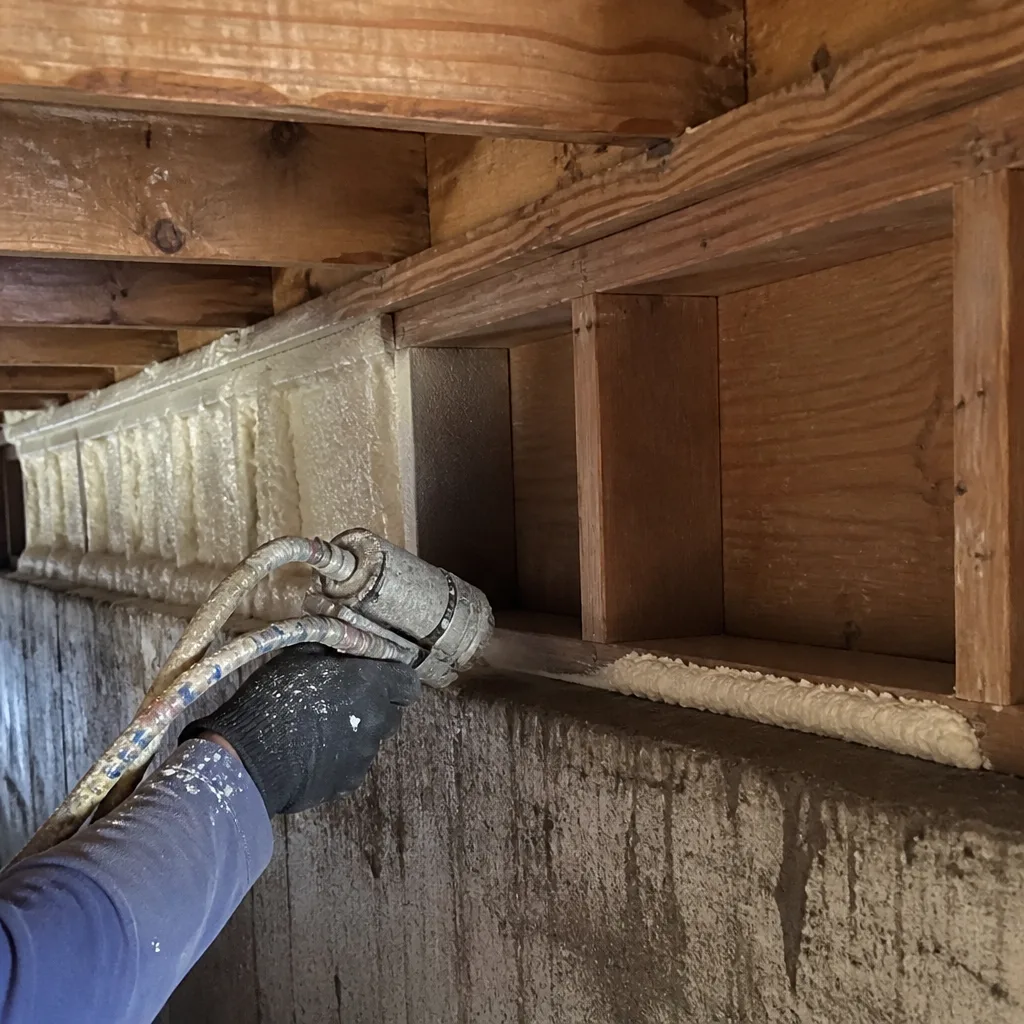
Where the foam goes matters too. In our experience, the most effective spray foam projects in North Las Vegas put closed-cell on the rim joist and crawl space walls because the desert’s enormous day-night temperature swing drives vapor movement through the band joist. Attic floor assemblies usually run open-cell for cost. The order of work is the same in North Las Vegas as anywhere else: seal first, then insulate. Blowing foam over an unsealed attic floor in a Vegas house lets the dry air and heat walk right back in through the same top plates and can lights you just covered.
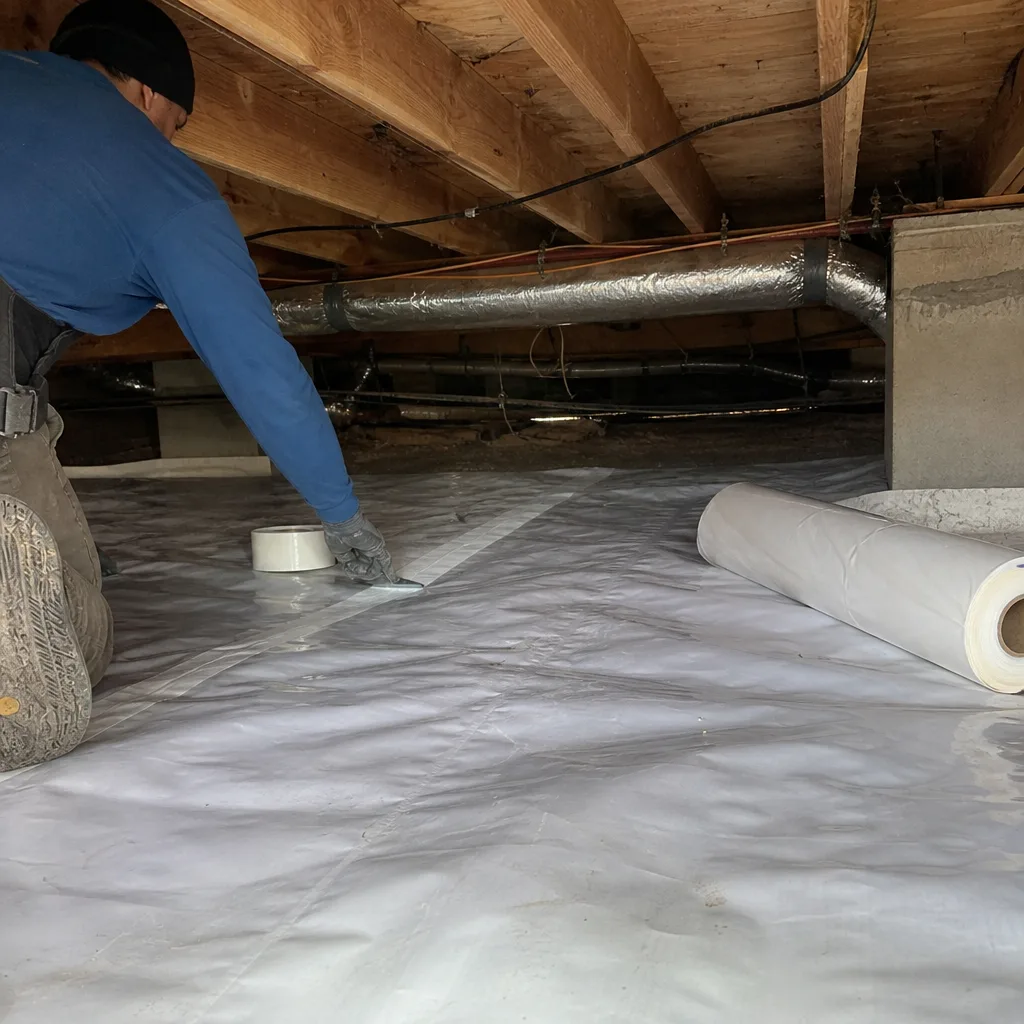
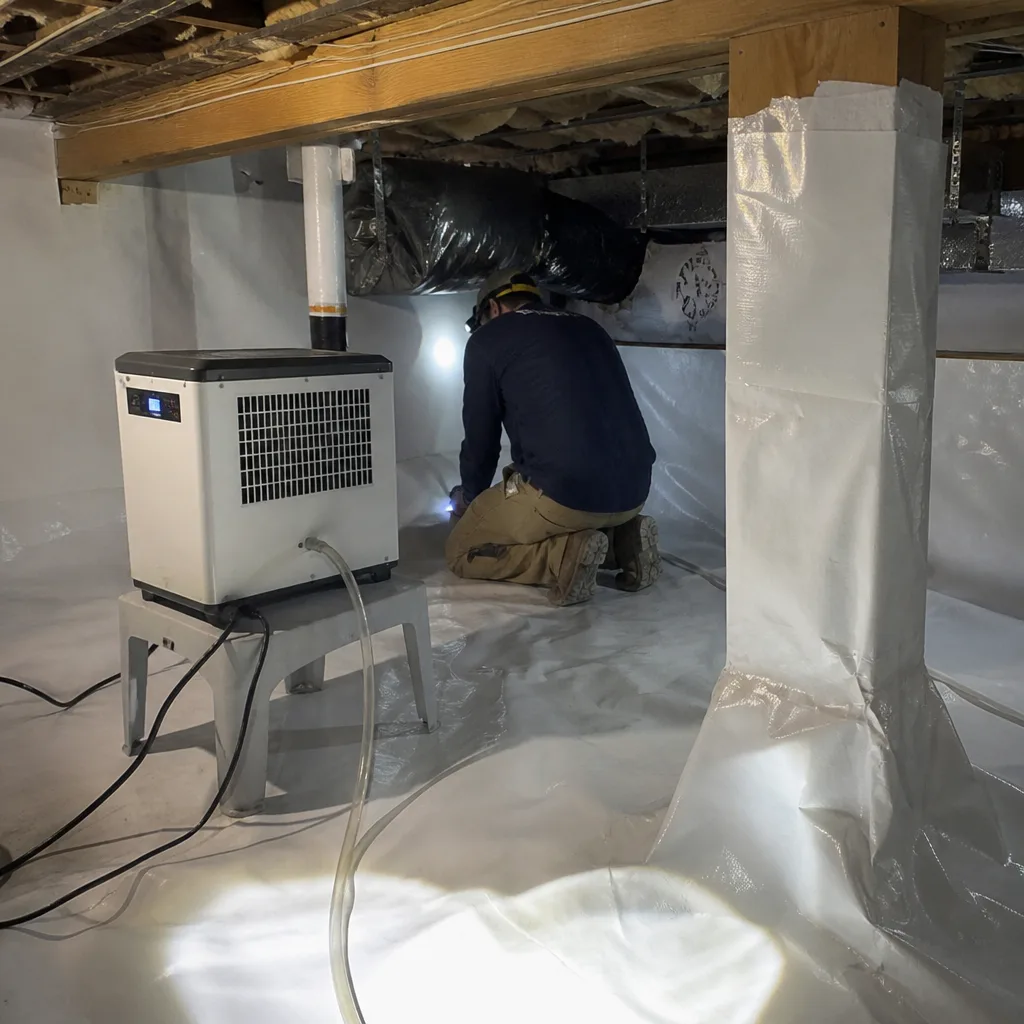
If your project includes the crawl space, the timing overlaps with Crawl Space Encapsulation & Vapor Barrier in North Las Vegas, which adds a liner and vapor barrier to the schedule.
What Documentation You Should Walk Away With
The paperwork is part of the timeline. Ask for it before the spray starts, and expect it before the crew leaves.
- Written price and written scope before any work starts. Flat price, what’s being sprayed, to what thickness, with what product.
- Written warranty terms. In the same document, not attached later.
- Documented Photo Record. Photos of the foam after application at each assembly, so you can see what was done without climbing into the attic.
- Blower-door readings, before and after. Two numbers on paper, e.g., CFM50 before sealing and after.
- Manufacturer product label. The cure and reoccupancy requirement for the specific product used, so you can verify the 24-hour hold against the label.
Common Mistakes to Avoid
- Planning on the spray time only. Homeowners who budget “3 hours for the crew” and book carpet cleaning the same afternoon routinely have to cancel. Plan on the full 24-hour hold, not the gun time.
- Spraying before air sealing. Foam over unsealed top plates and can lights is insulation over a leak. It looks complete and performs at half what it should.
- Skipping the baseline blower-door test. Without a reading before the work, you can’t prove what the foam did, and you can’t hold anyone to a number afterward.
- Ignoring substrate moisture in a crawl space. A rim joist that reads damp on the moisture meter needs to dry before spray. Foam applied over it traps the moisture and the bond fails.
- Booking expensive items inside the hold window. Furniture moved out, kids and pets relocated, and heat or AC run per the contractor’s instructions until the hold ends. The house isn’t yours for a day.
- Accepting a verbal scope. “We’ll do the attic and the rim joists” is not a scope. Thicknesses, product names, and test results should be on paper.
- Letting a contractor skip the label check. The reoccupancy window is set by the product, not by how busy the crew is. Ask to see the requirement before signing.
When to Call a Professional
Spray foam installation isn’t a homeowner project, and we say that as a contractor who benefits when it’s done right. The two-component chemistry, the high-pressure equipment, the PPE requirements, and the blower-door verification are beyond a weekend setup, and a botched spray traps moisture where you can’t see it. Call a professional if you’re dealing with a rim joist, a crawl space, an unvented attic, or any existing insulation that needs removal. Call if your home was built between 2015 and 2025 in North Las Vegas and you’re thinking about sealing it: newer construction still has the top-plate and can-light gaps that spray foam alone won’t fix.
Envelope Insulation North Las Vegas offers free estimates in North Las Vegas. Every job begins with a written price and a written scope, and every applicable job ends with before-and-after blower-door numbers you can keep. Call (833) 630-4008 to schedule.
Frequently Asked Questions
Spray application takes 2 to 4 hours for a typical attic or rim-joist job, but the total project timeline is 1 to 3 days once you count prep, air sealing, the 24-hour reoccupancy hold, and inspection. Plan around the hold period, not just the spray time. Call (833) 630-4008 for a written estimate with the timeline spelled out.
No. Most manufacturers require a minimum 24-hour hold before reoccupancy after spray foam, and open-cell foam often needs 24 to 48 hours. Plan to be out of the space for at least the night after application, and check the product label for the exact requirement.
It’s not a fair comparison. Fiberglass batts are dry the moment they’re installed. Spray foam has to finish its chemical reaction and off-gas before the space is safe to occupy, which is why it has a fixed 24-hour hold while fiberglass doesn’t. Call (833) 630-4008 to talk through your specific assembly and its cure window.
The blower-door test itself takes about 20 to 30 minutes on-site, and it’s part of the post-install inspection. Whether it’s included depends on the written scope, so ask before you sign. We publish before-and-after blower-door readings on every applicable Envelope insulation job in North Las Vegas.
Wet substrate and existing insulation removal are the two biggest. In a North Las Vegas crawl space, a damp rim joist has to dry before spray, and removing old compressed fiberglass runs 2 to 5 hours on its own. Call (833) 630-4008 for a timeline built around your specific home.
For most homes, yes, but the assembly matters: open-cell on the attic floor, closed-cell on the rim joist and crawl space walls. See Attic Insulation in North Las Vegas for a side-by-side view of options, or call (833) 630-4008 for a written assessment with an actual blower-door baseline.
The Bottom Line
Spray foam gun time is 2 to 4 hours on most jobs, but the full project timeline runs 1 to 3 days once you count prep, air sealing, the 24-hour minimum hold, and post-install inspection. Closed-cell and open-cell both require at least a night out of the space, and the label on the drums sets the real number. Wet substrate, temperature outside the 60 – 90°F window, and existing insulation removal are the three things that push the schedule out. Get the written scope, the label requirement, and the before-and-after blower-door readings in writing. That’s the difference between a fast job and a job that performs.
Envelope Insulation Co. operates under The Haven Standard: written price before any work starts, air sealing before insulation, a 365-Day Done Right Promise, and before-and-after blower-door numbers on every applicable job. A live person answers the phone 24/7. Call (833) 630-4008 for a free estimate and a written timeline for your home.
Written by the team at Envelope Insulation North Las Vegas.