
Last updated November 18, 2026
How Long Does Radiant Barrier Installation Take? Timelines and What to Expect
A crew can staple radiant barrier across a clear 1,500 sq ft attic in about three hours. The other two hours are where the job is actually decided: routing foil around HVAC equipment, sealing every penetration, and checking that the air gaps you paid for are still there when the last staple goes in. That extra time is the difference between an attic that tests 25°F cooler under the deck and one that tests 8°F cooler. In this guide we’ll break down realistic time ranges by attic type, walk through each phase of the install, and show you how North Las Vegas summer heat reshapes the schedule.
Quick Answer
Radiant barrier installation in a typical single-story North Las Vegas home takes 3 to 4 hours when the attic is open and free of HVAC equipment, 5 to 7 hours when a central air handler and trunk lines run through it, and 6 to 9 hours for a two-story home with complex hip roof framing. Add 1 to 2 hours for penetration detailing and air gap verification, which are not optional if the barrier is going to perform.
Table of Contents
- How long does it take by attic type?
- The five phases of a radiant barrier install, with time estimates
- Why the variables that add time are the variables that add performance
- How North Las Vegas heat changes the schedule
- Your homeowner timeline: what happens after the crew leaves
- Timeline warning signs in a quote
- Radiant barrier vs. attic insulation: which comes first?
- Does a longer install cost more?
How long does radiant barrier installation take by attic type?
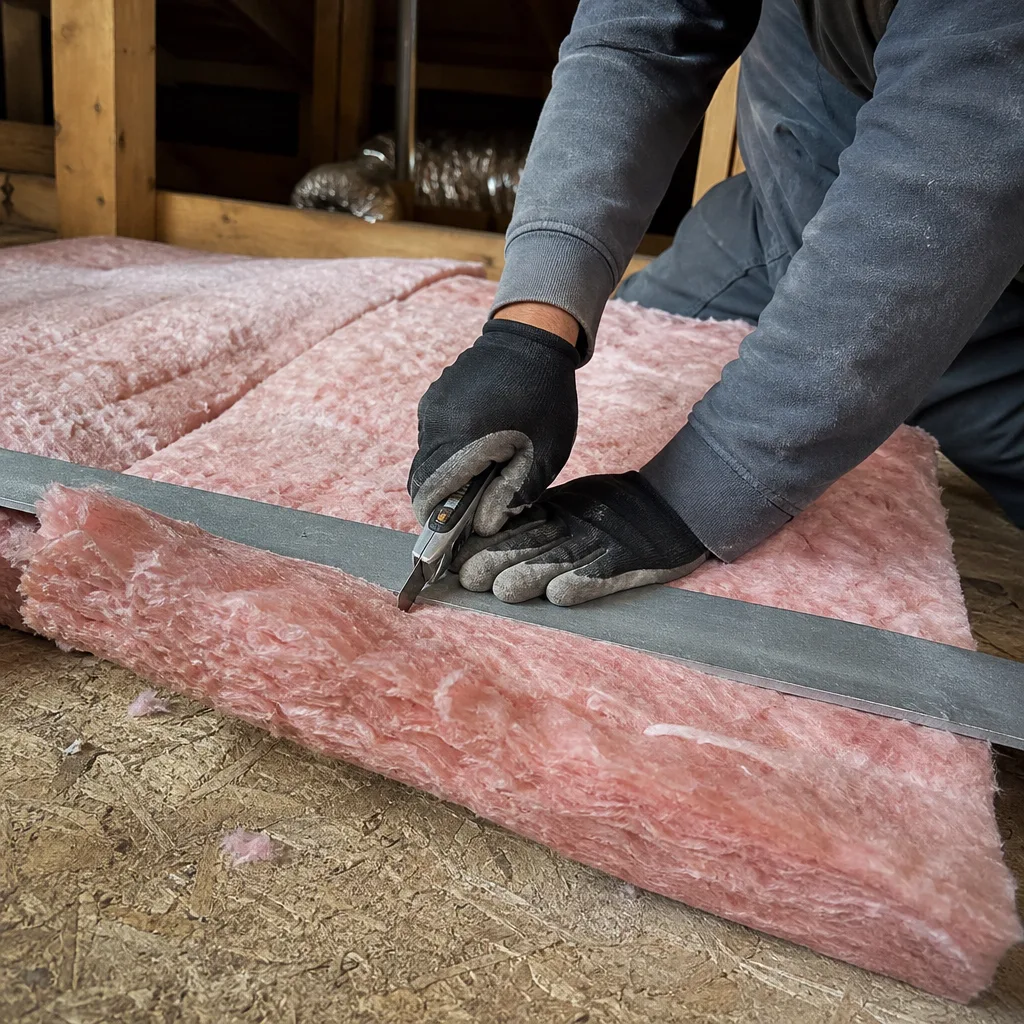
The length of a radiant barrier install is driven almost entirely by what’s between the crew and the roof deck. A clear attic is a straightforward staple-up job. An attic full of mechanical equipment is a detailing job with a staple-up component. Here are the ranges we see on North Las Vegas homes.
- Open attic, single-story, no HVAC in the attic (3 – 4 hours). The classic case: a 1,200 – 1,600 sq ft single-story in a neighborhood like Aliante or Eldorado, with a low-pitch roof and no mechanicals above the ceiling plane. One crew can cover the full deck in a morning.
- Attic with central air handler and trunk lines (5 – 7 hours). The air handler sits in a plywood platform, trunk lines run ten or twenty feet along the rafters, and every one of those penetrations needs foil wrapped and taped. That’s 1 to 2 hours of detailing on its own.
- Two-story with complex hip roof framing (6 – 9 hours). Hip roofs have short rafter runs and valleys that break up the foil pattern. Add two stories of attic access and the crew works half as fast per square foot as they would on a simple gable roof.
We’ve also installed radiant barrier in a handful of North Las Vegas attics where the roof pitch dropped to 3:12 or less. Low pitch doesn’t add square footage, but it slows the crew because every foil panel has to be positioned and taped without the working room a steeper roof provides. A 4-hour job can become 5 or 6 hours in those spaces.
The five phases of a radiant barrier install, with time estimates
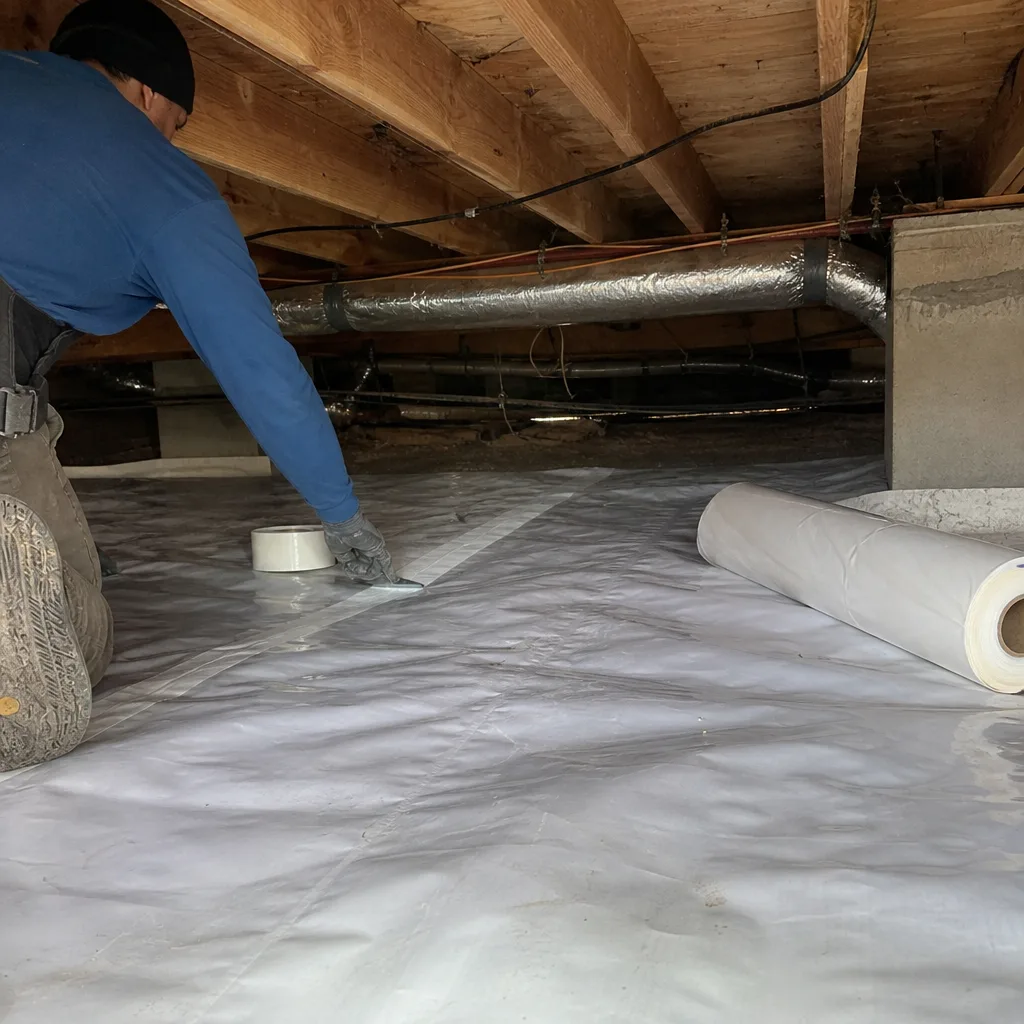
Breaking the job into phases helps you understand a quote that says “5 to 7 hours” and helps you spot a quote that doesn’t add up. Here’s the sequence we follow under the Haven Standard, with time attached to each phase.
- Pre-install inspection and measurement (30 minutes). The technician measures deck area, checks for existing insulation condition, and notes HVAC penetrations, wire chases, and any rodent damage. This is also when we pull the written scope.
- Foil cutting and staging (30 – 45 minutes). Rolls are cut to the panel size the framing calls for and staged near the access hatch. Skimping here means crews walking back and forth all day, which is why it takes time up front.
- Staple-up installation at rafters (varies with attic size). The bulk of the labor. On a 1,500 sq ft clear attic this is 90 minutes to 2 hours. On a two-story hip roof with a convoluted rafter layout, it can run 4 hours or more.
- Penetration detailing and foil tape (1 – 2 hours). Every HVAC boot, wire chase, recessed light, and plumbing vent gets foil wrapped and taped. This is the phase that separates a real radiant barrier from a roll of shiny material.
- Air gap verification at minimum 10 rafter bays (30 minutes). We pull a tape measure across at least ten evenly spaced bays and record the gap. Without the gap, the foil conducts heat straight into the framing.
Those five phases stack to a 3-hour floor on the simplest job and a 9-hour ceiling on the most complex. If a quote you’re holding lands outside that window, ask why.
Why the variables that add time are the variables that add performance
Skipping the detailing phases doesn’t save you money. It just means the barrier looks right and doesn’t work. We’ve seen homes where the foil was stapled tightly against the roof sheathing, with no air gap, and the attic ran 5°F hotter than before because the foil was conducting heat directly into the framing instead of reflecting it. Same amount of labor, wrong execution, worse result.
Air sealing has the same pattern. If we blow insulation over an unsealed attic floor in a North Las Vegas home, we’ve buried the leaks but we haven’t stopped them. That’s why Attic Insulation in North Las Vegas starts with sealing top plates, can lights, and penetrations before any insulation goes down. Radiant barrier isn’t a substitute for that first step, but the detailing logic is identical: the time you spend on the edges is the time that buys performance.
The blower-door test is how we prove it. A pressurization reading gives a single number for how much conditioned air the home was losing before and after the work. On a radiant barrier job we’re usually pairing that with air sealing because the ceiling plane is already open, and the before-and-after figures let you see the change in one figure rather than taking our word for it.
How North Las Vegas heat changes the schedule
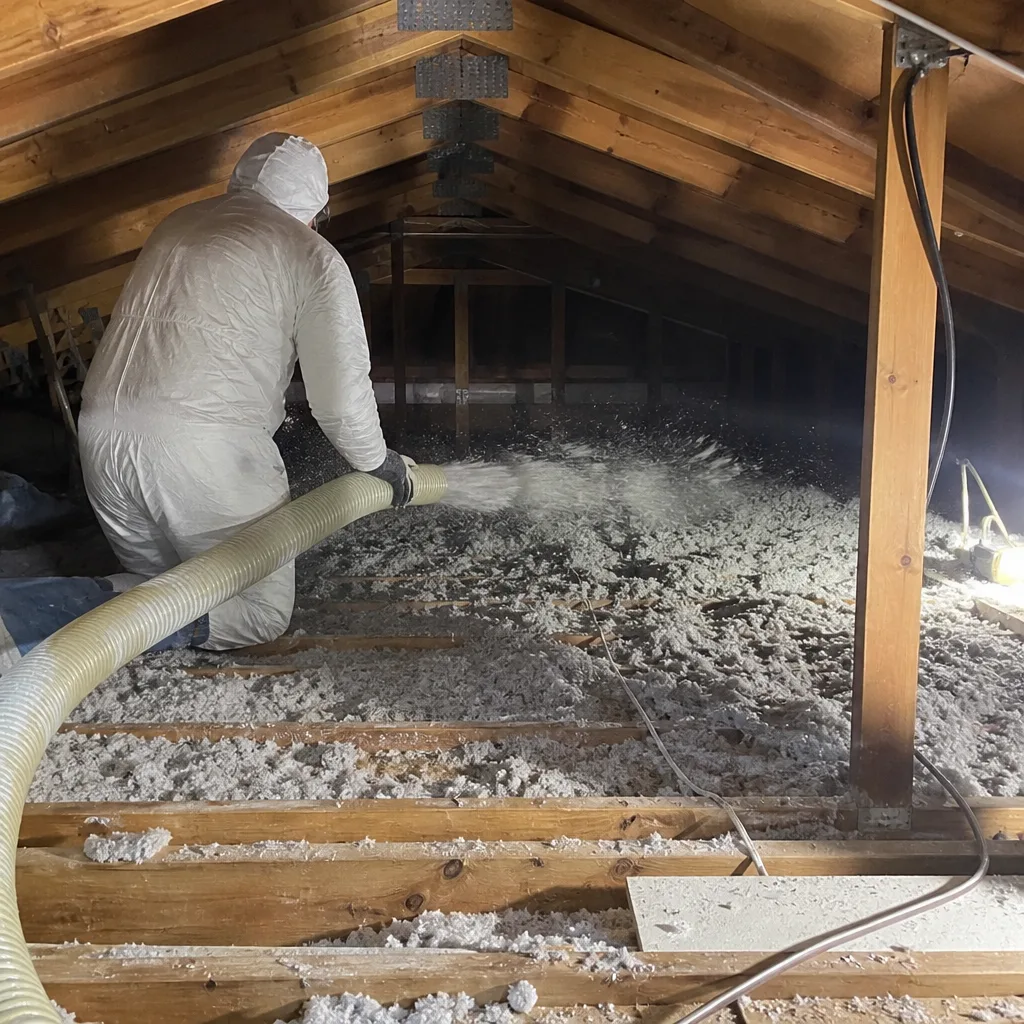
You can’t install radiant barrier in a North Las Vegas attic the same way you’d install it in Portland. In July and August, attic temperatures climb past 120°F by mid-morning and can push past 140°F in the afternoon. That’s a hard physical limit, and crews that ignore it either get hurt or spend half their time rotating out of the attic to cool down.
What that means for your timeline:
- Summer jobs may split across two days. A 6-hour install that’s easy in March becomes a two-day job in August because we cap attic exposure time per crew and rotate.
- Early-morning starts become the norm. Crews working North Las Vegas attics in June or July often start at 6 AM and finish the heavy staple-up work before 11 AM. The detailing phase is finished in the afternoon with shorter attic entries.
- Some large jobs get a two-crew rotation. Two crews on a 2,500 sq ft two-story in Sun City Aliante is faster than one crew taking two trips, even accounting for handoff time.
- Spring and fall are the sweet spot. A February or October install in a North Las Vegas home often runs faster than the same square footage in a summer install, because the crew can stay in the attic for a full phase without a cooling break.
Those scheduling adjustments don’t change the price in most cases, but they do change the calendar. If your HVAC is struggling through a North Las Vegas summer and you want the barrier in before August, book the install window in the spring.
Your homeowner timeline: what happens after the crew leaves
The timeline after the crew leaves is short. Radiant barrier has no cure time, no dry time, and no off-gassing window. The attic is usable the moment we finish.
- Same day as install: Attic access, storage, and any HVAC service are back to normal immediately. There’s nothing to wait for.
- Allow 48 hours of normal weather. Don’t measure attic temperature the same afternoon. Give the system two full days of typical North Las Vegas weather before you judge the result.
- Take your first reading between 1 PM and 3 PM on a day that hits 100°F or above. That’s the window where radiant heat gain peaks and the barrier’s effect is most visible. An attic that measured 145°F before install and reads 118°F after is a working install.
- Second reading in 30 days. A 30-day check confirms the barrier hasn’t sagged, shifted, or lost gap. Any crew that walks away without a plan for this check hasn’t finished the job.
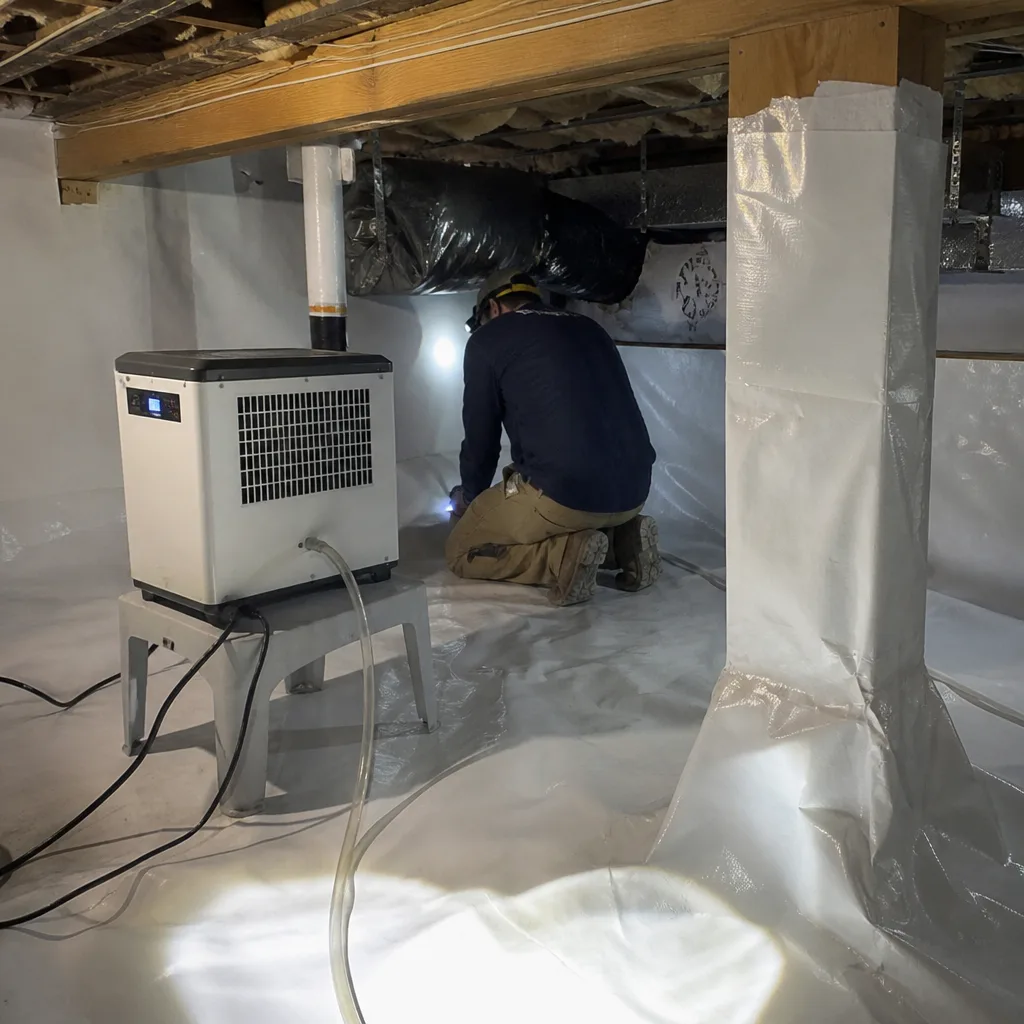
A radiant barrier isn’t the only envelope upgrade worth scheduling. If you’re also looking at the floor below your living space, Crawl Space Encapsulation & Vapor Barrier in North Las Vegas has its own timeline, and the two projects can usually be quoted together.
Timeline warning signs in a quote
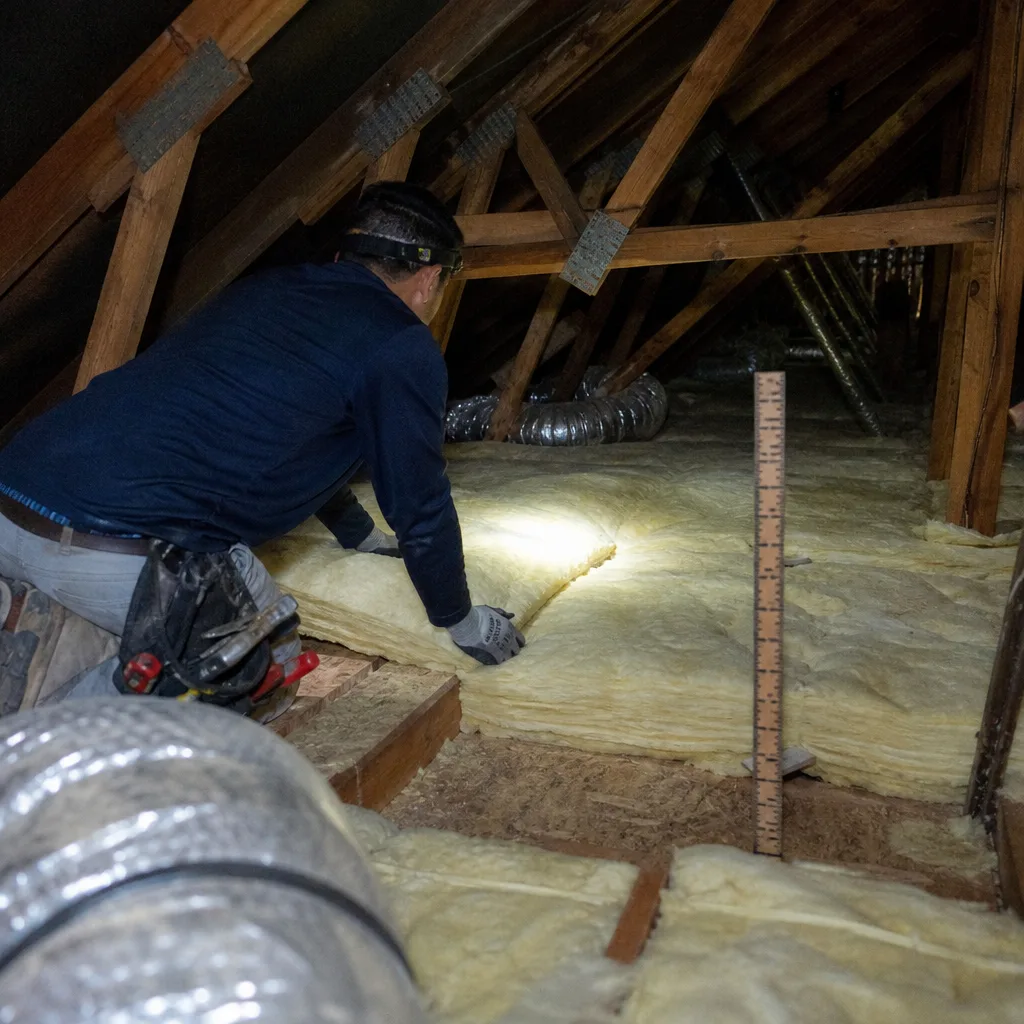
A quote is a data point. It tells you what a contractor thinks the job actually is. When the timeline is out of line with the attic, the scope is usually out of line too.
The clearest warning sign: a quote for a 2,000 sq ft attic that estimates 2 hours total. That number almost certainly excludes penetration detailing and air gap verification. Those aren’t optional extras. They’re the reason you’re buying the barrier in the first place. A 2,000 sq ft attic with a central air handler and trunk lines is a 5 to 7 hour job, not a 2-hour job.
Other warning signs worth weighing:
- No mention of air gap. Any installer who doesn’t talk about maintaining at least a ¾-inch air gap between the foil and the roof deck either doesn’t know the standard or doesn’t follow it.
- No written scope. If the quote is verbal or written on a text message, you don’t know what you’re buying. Haven Standard Clause 1 is simple: flat price, written scope, written warranty before anyone lifts a tool.
- Same price regardless of attic type. If the number doesn’t change between a clear 1,200 sq ft attic and a two-story hip roof with an air handler, somebody hasn’t looked at the attic.
Radiant barrier vs. attic insulation: which comes first?
Radiant barrier goes up at the roof line. Attic insulation goes down at the ceiling plane. They’re different products doing different jobs, and the order matters if you’re doing both.
The sequence we recommend in North Las Vegas is air sealing first, then attic insulation, then radiant barrier at the roofline. Air sealing comes first because it’s the highest-impact step and it needs unobstructed access to the attic floor. Insulation comes next because it needs to sit directly against the ceiling drywall, not on top of a new barrier. Radiant barrier comes last because it lives above everything, at the underside of the roof deck.
If the ceiling is unsealed and the insulation is thin, radiant barrier alone won’t rescue the performance. You get less heat gain through the roof but you still leak conditioned air into the attic through every can light and top plate. In that case the honest recommendation is sealing and insulation first, radiant barrier second. That’s a conversation we’d rather have before the install than after.
Does a longer install cost more?
Not directly. Radiant barrier is priced by square footage, attic complexity, and scope, not by the clock. A 7-hour install on a complex two-story North Las Vegas home reflects the routine work that attic requires, not a labor multiplier for the extra hours. A 3-hour install on a clear single-story is priced for what it is.
What does move the price: number of HVAC penetrations, number of recessed lights, roof pitch (low-pitch roofs cost more to work under), and whether the existing insulation needs removal first. Those are all computable before the crew arrives, which is why we put the price on paper before any work starts rather than adjusting it at the end.
If you have a quote from another installer, we’ll read it with you. That’s a Free Second Opinion under the Haven Standard, and it’s free whether or not you hire us. Bring the written estimate; we’ll walk through the scope line by line and flag what’s missing. You’ll also get a Documented Photo Record at the end of any job with us so you can match what you paid for against what’s actually in the attic.
Common Mistakes to Avoid
- Choosing a quote on total time alone. A 2-hour quote for a 2,000 sq ft attic usually means penetration detailing and air gap verification were cut. Cheap is cheap for a reason.
- Letting the crew staple the foil against the roof sheathing. Radiant barrier needs a minimum air gap (typically ¾-inch or more) to reflect heat. Without it, the foil conducts heat into the framing.
- Skipping air sealing because the barrier is going in. They solve different problems. In a North Las Vegas home with unsealed top plates, the barrier alone won’t stop conditioned air from leaking out.
- Scheduling a summer install for midafternoon. Crews working North Las Vegas attics above 120°F have to rotate or stop. An early-morning or spring install gets done faster and safer.
- Measuring performance the same day. Give the system 48 hours and measure at 1 – 3 PM on a 100°F+ day. Any reading taken earlier is measuring weather, not the barrier.
- Missing the 30-day check. Sagging foil and taped joints that have lost adhesion show up in the first month. A 30-day walk-through catches both.
- Working with an installer who won’t put scope in writing. A verbal promise of “we’ll take care of everything” is not a scope. Get it on paper or find someone who will.
When to Call a Professional
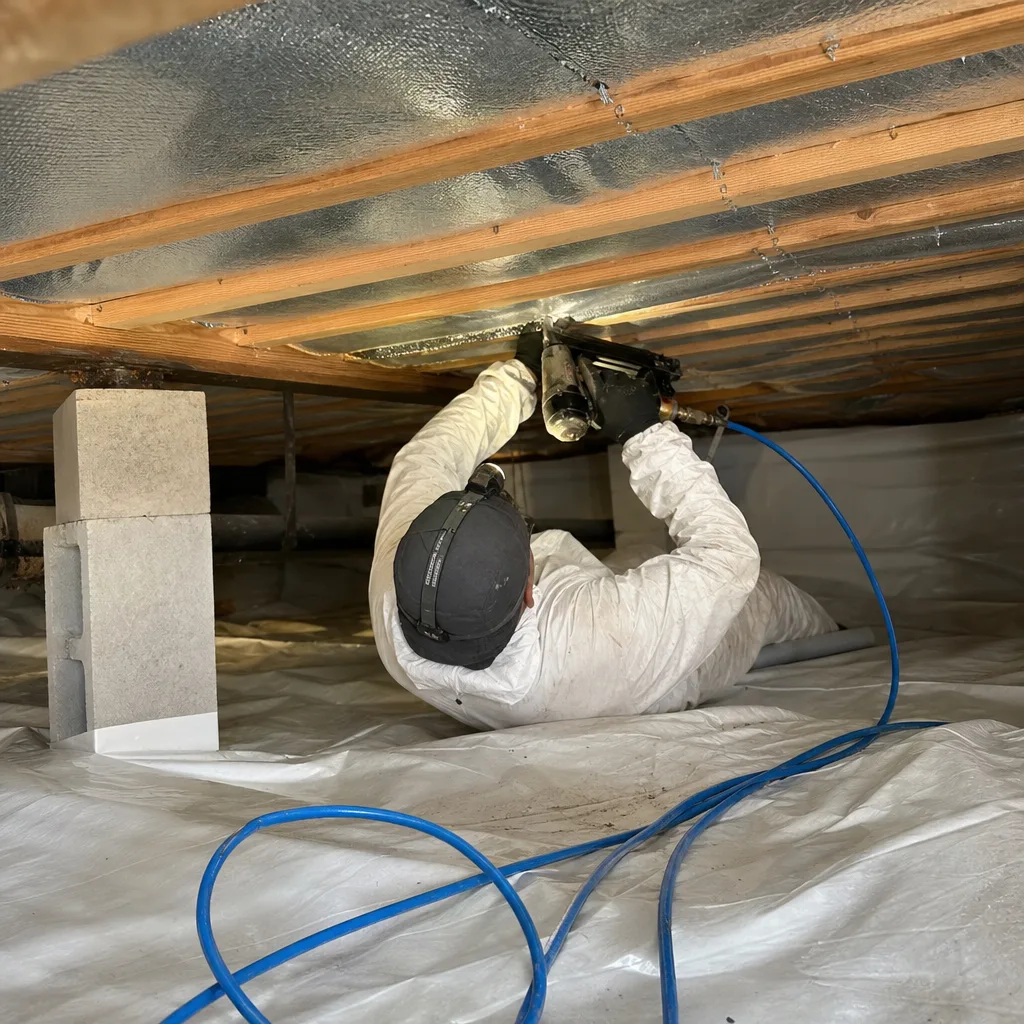
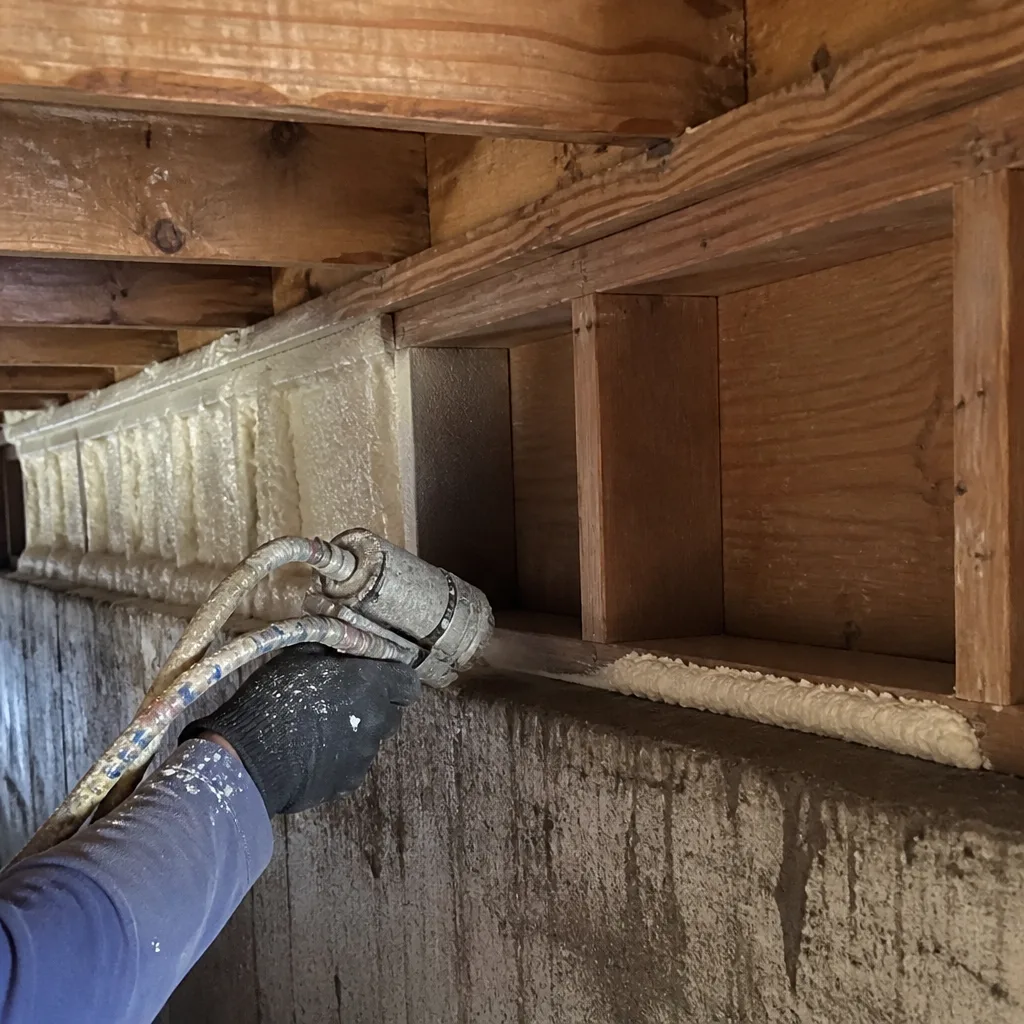
Radiant barrier installation is a one-day job for a trained crew and a genuine risk for a homeowner trying to save a few hundred dollars. North Las Vegas attic temperatures, low-pitch roof framing, and the air-gap detailing requirements make the working environment hostile and the installation sequence tight. If your attic has a central air handler, trunk lines, recessed lights, or a low-pitch hip roof, get a trained crew. If you’re not sure whether your attic already has radiant barrier or what condition your insulation is in, that’s the moment to get eyes on it, and it’s the same moment to think about spray foam at the wall plane if you’re also addressing perimeter comfort: Spray Foam Insulation in North Las Vegas covers that side of the envelope. Envelope Insulation North Las Vegas offers free estimates in North Las Vegas – call (833) 630-4008.
Frequently Asked Questions
Yes. A single-story North Las Vegas home with an open attic typically finishes in 3 to 4 hours, and even a two-story hip roof job usually completes within a single day in mild weather. Summer installs on larger homes may split across two days because of crew heat-exposure limits.
Yes. Radiant barrier has no cure time. You can access the attic, store items, and run HVAC service the moment the crew walks out the door.
Allow 48 hours of normal weather, then take your reading between 1 PM and 3 PM on a day that hits 100°F or above. Measuring earlier catches weather variation, not barrier effect. Call (833) 630-4008 if you want us to walk through the reading with you.
Because penetration detailing and air gap verification alone take 1.5 to 2.5 hours on that size attic. A 2-hour total almost certainly excludes both, which means the barrier is being installed but not set up to perform.
Yes. Attic temperatures above 120°F limit crew exposure time, so summer jobs may require early-morning starts, two-crew rotation, or a two-day schedule for large attics. Spring and fall installs run faster.
If your attic floor is unsealed, yes. Air sealing is a higher-impact first step than radiant barrier in most North Las Vegas homes, and it’s much easier to do before anything is added above. Call (833) 630-4008 for a scoped estimate – the price is written before any work starts.
The Bottom Line
The installation time for a radiant barrier is predictable within a narrow range: 3 to 4 hours for a clear single-story attic, 5 to 7 hours with HVAC equipment in the attic, and 6 to 9 hours on a two-story hip roof. The variables that push a job into the longer end of that range are the same variables that determine whether the barrier performs or just occupies the attic. Penetration detailing, air gap verification, and 30-day check-ins are not optional extras, and any quote that skips them isn’t cheaper – it’s excluding the reason you’re buying the product. If you’re in Envelope Insulation North Las Vegas and want a written scope before you commit, we’re ready to talk.
Call (833) 630-4008 for a free estimate. Live person, 24/7. A free second opinion on any written quote you already have. A written price, written scope, and written warranty before any work starts – the same standard we’ve held on every North Las Vegas job since 2016.
Written by the team at Envelope Insulation North Las Vegas.